
IT Modernization Services: A Human Guide for Indian Leaders
- March 3, 2026
- Posted by:
- Categories:
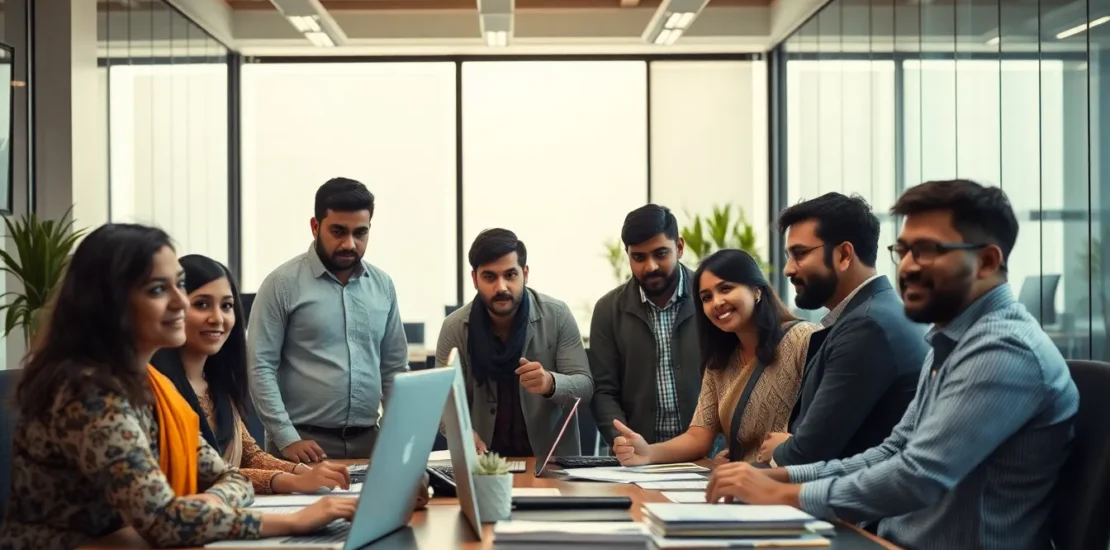
IT modernization services are the strategic process of upgrading your organization’s outdated technology, applications, and processes. It’s not just buying new software; it’s about reshaping your entire tech foundation to be agile, secure, and ready for growth. Think of it as renovating the core structure of your business so your people can build the future on solid ground.
I remember walking into the head office of a respected, family-run manufacturing firm in Coimbatore a few years ago. The reception area was polished, the team was warm, but the air held a familiar tension. The finance head was pacing, waiting for the daily sales report that was “running,” a process that took three hours every morning from a system built in the early 2000s. In the corner, a young marketing executive was manually copying data from one screen into a spreadsheet, her job a bridge between two systems that refused to speak. The founder, a visionary man, looked at me and said, “We want to be digital. But every time we try, it feels like we’re adding a new wing to a house with crumbling foundations.”
That moment, repeated in countless offices from Mumbai to Madurai, is where the real conversation about IT modernization begins. It’s not a tech buzzword you hear at a conference. It’s the quiet, daily friction that slows your best people, the hidden risk in your server room, and the growing gap between your ambitions and your tools. For 15 years, I’ve sat across tables from leaders who know something has to change but are wary of costly, disruptive projects that promise the moon.
This guide isn’t about selling you a service. It’s a conversation from the trenches. We’ll talk about what IT modernization services truly mean for an Indian business today—why it matters beyond the IT budget, the common stumbles we make, and how to move forward with clarity, not just code.
Why IT Modernization Services Matter in Today’s Indian Workplace
Let’s be blunt: the Indian workplace is in the middle of a silent split. On one side are organizations where technology is an invisible ally. Information flows, teams in Chennai and Chandigarh collaborate as if in the same room, and leaders have a real-time pulse on operations. On the other side are companies running on legacy willpower. Their people are heroes, compensating for clunky systems with hustle, manual workarounds, and sheer patience. The cost isn’t just in licenses or maintenance; it’s in attrition of your brightest young talent who won’t tolerate digital friction, in missed opportunities because you couldn’t pivot fast, and in the escalating security vulnerabilities of outdated software.
This matters because the pace of business no longer allows for “if it isn’t broken, don’t fix it.” It is broken. The breakage is just hidden in overtime, in customer complaints about slow service, and in the CFO’s unease about unquantifiable risk. Modernization is the bridge from the business you have to the business you need to become. It’s what allows a mid-sized logistics company to offer Amazon-like tracking, or a traditional retailer to seamlessly blend offline and online inventory. It’s not an IT project; it’s a business survival kit.
Common Mistakes Organizations Make with IT Modernization Services
The biggest mistake I see is treating modernization as a simple “lift and shift.” It’s the belief that moving your old server to a new cloud vendor is the end of the journey. You’ve changed the address of your problems, not the problems themselves. This approach disappoints everyone. The business doesn’t see new capabilities, and the IT team is left managing the same monolithic application, just with a different monthly bill.
Then there’s the “departmental silo” mistake. The leadership team approves a budget and hands it to the IT head with a mandate to “modernize.” Without the continuous, deep involvement of the people in sales, operations, and finance—the ones who feel the daily pain—the solution will be technically sound but humanly awkward. It will solve imaginary problems and ignore real ones. Finally, there’s the mistake of ignoring the cultural change. You can give a team a state-of-the-art collaboration platform, but if their goals and incentives are still built around individual departmental performance, that tool will sit unused. Modernization is as much about workflows and mindsets as it is about wires and widgets.
What a Strong IT Modernization Services Strategy Looks Like
A strong strategy is holistic and business-outcome-first. It starts not with a technology audit, but with a simple question: “What do we need to be able to do in two years that we cannot do today?” The answer guides everything. It’s a phased journey, not a big-bang event, focusing on unlocking quick wins to build momentum while steadily tackling core legacy systems. Critically, it views your people as the core component to be integrated and empowered, not just trained at the end.
| Traditional Approach | Modern Approach |
|---|---|
| Starts with a technology inventory and vendor selection. | Starts with business process pain points and desired outcomes. |
| A single, large-scale project with a fixed end date. | A continuous program of iterative change and improvement. |
| Focuses on infrastructure (servers, networks) first. | Focuses on data and application accessibility first. |
| IT department owns and drives the project alone. | Cross-functional teams co-create solutions; IT enables. |
| Success is measured by project completion and uptime. | Success is measured by user adoption, process speed, and business agility. |
How to Get Started — A Step-by-Step Breakdown
- Define the ‘Why’ with Brutal Honesty. Gather a small group from leadership, operations, and frontline staff. Don’t discuss solutions yet. Just list the top five daily frustrations that technology creates or fails to solve. This is your true north.
- Map Your Current Reality, Not Just Your Tech Stack. Document how work actually gets done, not just the official process. You’ll find the spreadsheets, the WhatsApp groups, and the manual approvals that your formal system doesn’t capture. This shadow workflow is your modernization blueprint.
- Identify a Lighthouse Project. Choose one contained, high-impact process to modernize first—like automated invoice processing or a unified customer service dashboard. This builds confidence, delivers a quick return, and creates internal champions.
- Build a Mixed Crew. Form a pilot team with IT specialists, the end-users from the relevant department, and a process owner. Their job is to co-design and test the new solution, ensuring it’s technically sound and practically useful.
- Choose Flexibility Over Perfection. Opt for scalable, modular solutions (like cloud-native services) over custom-built, “perfect” ones. The goal is to be able to adapt quickly, not to build a monument for the next decade.
- Communicate Relentlessly. Share progress, learnings, and even setbacks openly. When people see the ‘why’ and the ‘how,’ fear of change turns into curiosity and engagement.
Real Signs It’s Working
You’ll know your IT modernization services are taking root not when the vendor sends a completion certificate, but when you notice subtle shifts in behavior. It’s when the monthly operations review stops being a debate about whose data is correct because everyone is looking at the same, real-time dashboard. The energy moves from arguing about the numbers to deciding what to do about them.
You’ll see it in the small innovations. A mid-level manager in procurement, without waiting for an IT ticket, configures a simple automated alert in the new system to prevent stockouts. The technology has become malleable enough for them to solve their own problem. That’s a sign of empowerment.
Cultureally, you’ll hear less “this is how we’ve always done it” and more “what if we could try…” The bridge between IT and business teams starts to blur. They sit together not as client and service provider, but as partners solving a puzzle. Finally, the most telling sign is reduced friction in hiring and retention. When talented candidates see your tools and hear your team talk about how work gets done, they see a future, not a relic. That’s the ultimate ROI.
Conclusion
That founder in Coimbatore and I stayed in touch. Their journey wasn’t about a flashy AI implementation. It started by untangling that daily sales report, then connecting inventory to the online store, one deliberate step at a time. The foundation was strengthened, and now they’re building those new wings with confidence. That’s the essence of true modernization.
For Indian businesses poised on the global stage, the question is no longer about whether to modernize, but how to do it with sense and sensibility. It’s a journey of aligning your tools with your ambition and your people’s potential. Start where you are, focus on the human experience of work, and build forward. The future of work in India belongs to organizations that are not just powered by technology, but defined by their agility to wield it.
— Karthik, Founder, SynergyScape
Transform Your Organization Today
Strategic HR Solutions & Corporate Consulting for Indian Enterprises.
Call: 90366 35585 | Email: synergyscape.blr@gmail.com