
A Human Guide to IT Solutions for SMEs: Beyond Tech, Into Growth
- March 4, 2026
- Posted by:
- Categories:
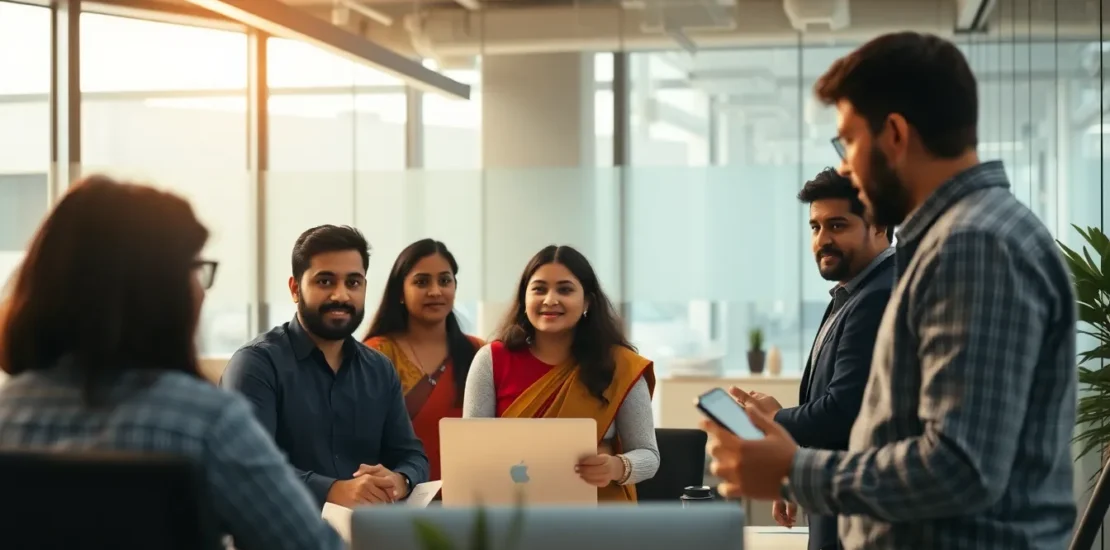
IT solutions for SMEs are not about buying the fanciest software. They are the practical, integrated tools—from cloud accounting and CRM to cybersecurity—that streamline your operations, connect your teams, and give you the clarity to make faster, smarter decisions for growth, without the complexity or cost of enterprise systems.
I was sitting across from the owner of a thriving spices export business in Kochi last monsoon. His office hummed with the sound of monsoon rains and ringing phones. Between us lay three different ledgers, a stack of printed emails, and a whiteboard crammed with shipment dates. He leaned forward, tired but proud, and said, “Karthik, my business is growing. But I feel like I’m running three different companies, and none of them are talking to each other.” He wasn’t complaining about lack of effort; he was describing a wall. His team’s incredible hustle was being buried under manual processes, disconnected information, and daily firefighting. That wall is what stops a good business from becoming a great one.
This scene isn’t unique. I’ve seen it in machine shops in Pune, design studios in Bangalore, and textile showrooms in Surat. The story is always the same: growth brings beautiful chaos, and chaos eventually starts to cost you—in missed opportunities, exhausted teams, and leaking profits. The instinct is to hire more people to manage the chaos. But that often just adds to the noise.
The real shift happens when you stop seeing technology as an “expense” or a “server in the corner” and start seeing it as the nervous system of your company. The right IT solutions for SMEs act as the connective tissue. They’re what make your sales talk to your inventory, your project manager see the cash flow impact, and your owner sleep at night knowing the data is secure. This isn’t about becoming a tech company; it’s about using technology to be a better, sharper, more resilient version of the company you already are.
Why IT Solutions for SMEs Matters in Today’s Indian Workplace
Let’s be blunt: the playing field has been permanently tilted. A decade ago, your competition was the other SME down the road. Today, it’s also the agile startup operating from a co-working space with zero paper and real-time analytics, and the large corporate that can undercut you because their supply chain tech gives them a 15% cost advantage. The Indian market is moving at digital speed. Your customer expects an invoice in a PDF, not a handwritten copy. Your best employee wonders why they’re manually compiling reports when they know an app could do it. The GST portal itself mandates a level of digital discipline.
In this environment, robust IT solutions for SMEs are no longer a luxury for the “techy” business owner. They are the fundamental toolkit for survival and credibility. It’s about operational maturity. When your systems talk to each other, you move from reactive guesswork to proactive insight. You stop asking “What were our sales last month?” and start asking “Which customer segment is most profitable, and why?” This shift changes everything. It frees you and your team from the grind of administrative friction and redirects that energy towards innovation, customer service, and strategic growth. It’s the difference between working *in* your business and working *on* it.
Common Mistakes Organizations Make with IT Solutions for SMEs
The biggest mistake I see is treating technology as a series of isolated purchases, not a strategic layer. A founder gets sold a fantastic accounting package here, a team buys a project management tool there, and the sales head signs up for a separate CRM. Soon, you have five brilliant tools that don’t integrate, creating new data silos that are even harder to bridge than the paper ones. You’ve automated islands, not connected the continent. This leads to the dreaded double-entry—teams wasting hours copying data from one system to another, introducing errors and frustration.
Another deep pitfall is bypassing your own people in the process. The owner or a single “tech-minded” manager chooses a solution based on a slick demo, then announces it to the team on Monday. This is a recipe for silent rebellion and wasted investment. The people who will use the system daily—your accountant, your sales lead, your warehouse manager—understand the real bottlenecks. If they don’t see the “why” or weren’t consulted on the “how,” even the best tool will gather dust. Technology imposed is technology resisted. Finally, there’s the “set and forget” error. You implement a solution, breathe a sigh of relief, and check the box. But technology and threats evolve. Without a basic plan for updates, security patches, and data backups, you’re building on a foundation that slowly cracks.
What a Strong IT Solutions for SMEs Strategy Looks Like
A strong strategy is holistic and human-centric. It starts with a clear understanding of your core business goals and the key processes that drive them. It’s less about the “best” software and more about the most appropriate, scalable, and integratable stack for *your* workflow. The mindset shifts from buying tools to building a connected ecosystem. Below is how that thinking changes your approach.
| Traditional Approach | Modern, Strategic Approach |
|---|---|
| Buy software to solve a single, immediate pain point (e.g., “We need accounting software”). | Map core processes (Quote-to-Cash, Procure-to-Pay) and choose solutions that connect across them. |
| Focus on upfront cost and features. The owner decides alone. | Focus on Total Cost of Ownership, ease of use, and integration capability. Key users are part of the selection. |
| On-premise servers, managed by a local vendor who comes when called. | Cloud-first. Reliable, scalable, and accessible from anywhere, with clear SLAs on security and uptime. |
| Security is an afterthought—”Who would hack us?” | Security is baked in. Basic hygiene like multi-factor authentication, encrypted data, and employee training is standard. |
| Implementation is a technical “go-live” event. | Implementation includes change management: clear communication, tailored training, and a designated internal champion. |
How to Get Started – A Step-by-Step Breakdown
- Pause and Diagnose, Don’t Shop. For two weeks, don’t look at any software website. Instead, walk through one complete process in your business, like fulfilling a customer order. Note every manual handoff, every Excel sheet, every moment of confusion. This is your true “requirements list.”
- Assemble Your Kitchen Cabinet. Bring together 3-4 key people from different functions—operations, finance, sales. Their frontline perspective is invaluable. Frame the conversation around reducing friction for them, not just buying a tool.
- Define Your Non-Negotiables. List your absolute must-haves (e.g., must work offline for the sales team, must generate GST-compliant invoices, must cost less than X per user/month). This stops you from being dazzled by unnecessary features.
- Pilot with a Partner, Not a Vendor. Choose a solution that offers a real, no-strings trial. Run it with your “kitchen cabinet” on a live, but non-critical, process. The goal is to test usability and fit, not just features.
- Plan the Roll-Out in Waves. Don’t launch everywhere at once. Start with the most motivated team or a single process. Win there, learn, build internal champions, and then expand. Celebrate the small wins publicly.
- Budget for Adoption, Not Just Licenses. Allocate time and resources for training, and for the inevitable dip in productivity during the switch. This is the most critical investment you’ll make.
Real Signs It’s Working
You’ll know your IT solutions for SMEs strategy is taking root not when the vendor sends you a usage report, but when you observe new behaviors. You’ll walk into the office and hear a salesperson say, “I just updated the status in the CRM, so production should see it,” instead of shouting across the room. The Monday morning meeting shifts from “Who has the file?” to “What does the data tell us about this trend?” The friction of simple tasks begins to melt away.
You’ll see a cultural shift towards data-informed confidence. A team lead will come to you with a proposal backed by a report they generated themselves, not a gut feeling. There’s less defensiveness about “territory” because information is visible and shared by the system, not hoarded in someone’s inbox. The most telling sign is what stops happening: the frantic end-of-month reconciliation scrambles, the lost order slips, the panic when one key person is on leave.
Ultimately, the real sign is your own changed behavior as a leader. You find yourself spending less time digging for information and more time analyzing it. You can take a day off truly disconnected, knowing the pulse of the business is visible and stable. The technology fades into the background, where it belongs, simply enabling the people and the business to perform at their best.
That spices exporter in Kochi? We started not with software, but with a whiteboard session mapping his “order-to-shipment” flow. We chose a single, integrated platform that handled inventory, invoices, and CRM. The rollout was messy for six weeks. But last I checked, he’d replaced two of those ledgers with a single dashboard. The whiteboard now tracks new market opportunities, not daily shipments. The hustle remained, but it was now directed outward, not inward.
The future of work in India’s SME sector belongs to the connected, the agile, and the insight-driven. It’s built by leaders who see technology not as a cost centre, but as the very scaffold for sustainable growth. Your legacy won’t be the software you bought, but the potential you unlocked—in your people, your processes, and your own vision for what your business can become. Start by connecting one thing. Then watch the whole system come alive.
— Karthik, Founder, SynergyScape
Transform Your Organization Today
Strategic HR Solutions & Corporate Consulting for Indian Enterprises.
Call: 90366 35585 | Email: synergyscape.blr@gmail.com