
Beyond the Purchase: A Real-World Guide to Laptop Sales + AMC + Support for Indian Businesses
- March 12, 2026
- Posted by:
- Categories:
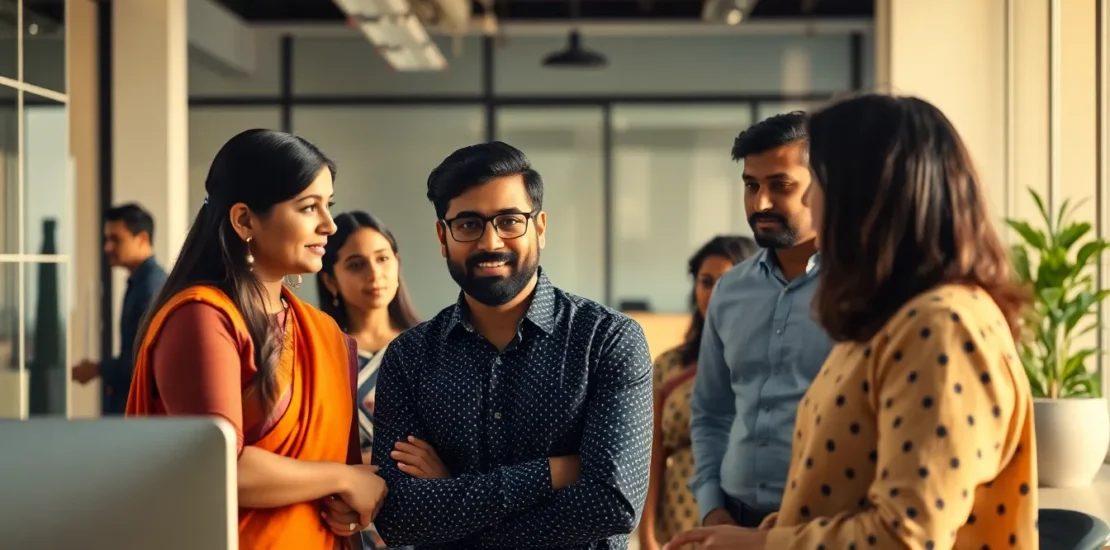
Think of “Laptop Sales + AMC + Support” as moving from a one-time transaction to a long-term partnership. It means buying your laptops from a partner who also provides a comprehensive Annual Maintenance Contract (AMC) and ongoing technical support, wrapping hardware, proactive care, and instant help into one seamless, predictable package. It’s the shift from owning a problem to owning a solution.
I remember walking into the head office of a growing logistics company in Chennai a few years back. The energy was palpable—charts on the wall, phones ringing, a team hustling. But then I saw the IT manager’s desk. It was a graveyard of laptops. One with a cracked screen, another that wouldn’t boot, a third waiting for a part that was “coming next week.” His entire job was firefighting. He wasn’t enabling growth; he was managing decay. The CEO told me, “We bought these machines two years ago. Now they own us.” That moment stuck with me. It’s the perfect picture of the old way: buying devices and then hoping for the best.
In India, our relationship with technology is often transactional. We hunt for the best deal, negotiate hard on the unit price, and consider the job done. The laptop is a commodity. But from the boardroom to the remote field agent, that laptop is now the primary office. It’s where deals are closed, deliveries are routed, designs are created, and payroll is processed. When it stops, work stops. And in our fast-moving market, stopping isn’t an option.
That’s why the conversation has to change. It’s no longer just about “Laptop Sales.” It’s about “Laptop Sales + AMC + Support.” This isn’t a vendor bundle; it’s an operational philosophy. It’s the understanding that the cost of a laptop isn’t its price tag, but the total cost of owning it, running it, and fixing it over its entire life. When you get this right, you’re not just purchasing equipment; you’re investing in uninterrupted productivity and peace of mind.
Why Laptop Sales + AMC + Support Matters in Today’s Indian Workplace
Let’s be blunt: the Indian workplace is unforgiving. Power fluctuations, dust, heat, the sheer diversity of user skill levels, and the pressure to do more with less. A laptop isn’t working in a sterile, air-conditioned bubble. It’s on a salesperson’s lap in a rickshaw, on a factory supervisor’s desk near the shop floor, and in an accountant’s home during a monsoon-induced power cut. The hardware must endure, and your support system must be resilient.
More critically, we’ve moved beyond the era where IT was a separate department you “logged a ticket with.” Today, IT is the department. Every employee is a knowledge worker, and their laptop is their gateway. When that gateway is broken, you’re not just losing an hour of that person’s time. You’re losing a client follow-up, delaying an invoice, missing a design deadline, or halting a critical presentation. The ripple effect on morale, client trust, and revenue velocity is immense. A strategic approach to Laptop Sales + AMC + Support directly defends against these micro-halts in your business momentum.
Common Mistakes Organizations Make with Laptop Sales + AMC + Support
The biggest mistake I see is treating the three pieces as separate, siloed purchases. Finance negotiates the Capex on laptops. IT, later, scrambles to find a cheap AMC vendor to handle breakdowns. And support becomes a reactive, in-house burden on your most technically inclined employee, who now has two jobs. This fragmentation creates blind spots. You might save ₹5,000 on the initial purchase but then lose ₹50,000 in productivity from a week-long repair cycle with no loaner device, handled by a third-party service center you’ve never met.
Another critical error is focusing only on the “break-fix” part of the AMC. A cheap AMC is often just a parts-and-labour contract for when something explodes. It waits for failure. The modern need is for proactive health. Is the battery degrading faster because of local power conditions? Are drives filling up, slowing everyone down? Is a particular model showing a high incidence of keyboard failures? Without a partner who sees the data across your entire fleet—because they sold it and now maintain it—you’re always behind the problem. You’re buying peace of mind, but receiving only delayed anxiety.
What a Strong Laptop Sales + AMC + Support Strategy Looks Like
It’s a shift from a cost-centric, reactive model to a value-centric, proactive partnership. Here’s the difference:
| Traditional Approach | Modern, Integrated Approach |
|---|---|
| Purchase based solely on lowest unit price. | Purchase based on total cost of ownership, durability for Indian conditions, and serviceability. |
| AMC is a reactive “break-fix” insurance policy, often from a different vendor. | AMC includes proactive health checks, remote monitoring, and preventive maintenance to avoid breaks. |
| Support is an internal burden or a slow, call-center based external process. | Support is a single-point, accountable partnership with SLAs for response, resolution, and includes immediate loaner provisions. |
| No data or insights on device performance and lifecycle. | Regular fleet health reports guide refresh cycles and help negotiate better terms, turning data into a strategic asset. |
| IT team is stuck in firefighting mode, seen as a cost center. | IT team is freed to work on strategic initiatives that drive the business forward. |
How to Get Started — A Step-by-Step Breakdown
- Conduct a Honest Audit: Don’t just count laptops. Map them to roles. How critical is each device? What’s the real, historical downtime cost? Gather stories of breakdowns and their impact. This isn’t just data; it’s your business case.
- Define “Support” in Human Terms: What does good support feel like? Is it a 30-minute response time? A technician on-site within 4 hours in your city? A guaranteed loaner at your office the same day? Write these as experience requirements, not just technical specs.
- Talk to Potential Partners, Not Vendors: Present your audit and experience requirements. Listen carefully. Do they ask about your business workflow? Do they suggest device models known for durability over just flashy specs? The right partner will feel like an extension of your team.
- Scrutinize the AMC Fine Print: Look beyond price per device. What’s excluded? What’s the process for a loaner? Is on-site support included, or is it “carry-in”? How are proactive checks handled? The devil that causes downtime is always in these details.
- Pilot Before You Leap: Roll out the new Laptop Sales + AMC + Support model with a small, critical team first—like your sales force or design team. Monitor the experience for a quarter. Tweak the partnership. Let success build its own case for a wider rollout.
Real Signs It’s Working
You’ll know your integrated Laptop Sales + AMC + Support strategy is working not when you see a report, but when you feel a change. The most telling sign is the silence. The frantic calls to your IT guy stop. The hallway conversations about “my laptop is so slow” fade. The IT manager starts talking about a new software tool to improve collaboration, not about the backlog of repair tickets.
You’ll see behavioral shifts. Employees won’t hoard old laptops “just in case.” They’ll trust the system. A salesperson will casually swap out a device before a big client tour because the health check flagged a potential battery issue, and it was a smooth, 10-minute process. That’s resilience. Finance will appreciate the predictable, OpEx-friendly model, moving from shocking Capex requests and unpredictable repair bills to a clean, monthly or annual cost.
Ultimately, the culture shifts from fear and frustration around technology to confidence and capability. The laptop ceases to be a topic of discussion. It just works. And when your tools are invisible because they’re reliable, your people can focus on what truly matters—their work. That’s the ultimate ROI of a truly integrated approach.
Conclusion
That IT manager in Chennai? We helped him move to a integrated model. Six months later, I visited again. The graveyard on his desk was gone. He was working on a dashboard to track fleet performance. He smiled and said, “Now I get to build things, not just fix them.” That’s the transformation we’re talking about.
For Indian businesses aiming to thrive in the next decade, operational resilience is non-negotiable. Your technology backbone cannot be your weakest link. By weaving together Laptop Sales, AMC, and Support into one cohesive strategy, you stop buying pieces of a problem and start investing in a platform for productivity. You move from managing assets to enabling people. The future of work here isn’t just about having laptops; it’s about having them work, seamlessly and surely, for everyone, everywhere.
— Karthik, Founder, SynergyScape
Transform Your Organization Today
Strategic HR Solutions & Corporate Consulting for Indian Enterprises.
Call: 90366 35585 | Email: synergyscape.blr@gmail.com