
Laptop Sales + AMC + Support: The Complete Guide for Indian Businesses
- March 17, 2026
- Posted by:
- Categories:
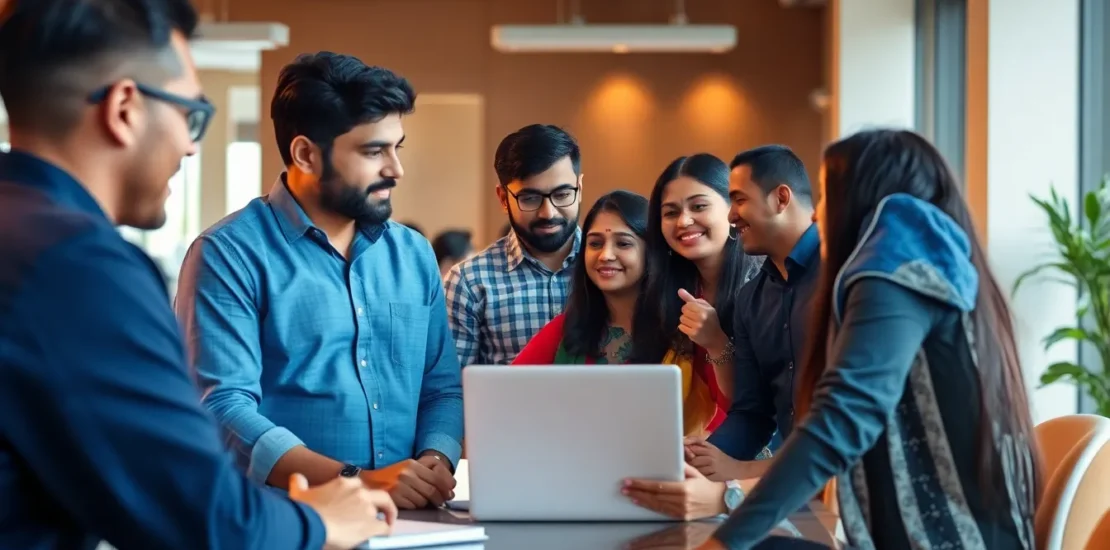
“Laptop Sales + AMC + Support” is a unified approach where you purchase your business laptops, bundle them with an Annual Maintenance Contract (AMC) for repairs and parts, and wrap it all with proactive technical support. It’s about moving from a reactive, transactional model to a strategic partnership that ensures your team’s tools are always working for them, not against them.
I remember walking into the head office of a mid-sized logistics company in Chennai a few years back. The energy was palpable—charts on the walls tracking shipments, phones ringing off the hook. But just beneath that surface hum was a different sound: the frustrated sigh of a sales head rebooting his laptop for the third time that morning. The CFO, in the same breath, was lamenting the “surprise” invoice from a local repair shop for a motherboard replacement. The hardware was bought from one vendor, the software licenses from another, and support was a hopeful prayer to the IT guy who was already swamped. They had pieces of a solution, but no cohesive strategy.
That scene, in various shades, has played out across hundreds of Indian businesses I’ve worked with. We invest in talent, in processes, in ambitious goals. Yet, we often treat the primary tool of modern work—the laptop—as a commodity purchase, an afterthought. We buy it, issue it, and hope for the best. The breakdowns, the downtime, the security lapses, and the creeping costs are then accepted as “just part of doing business.” They don’t have to be.
This is where the integrated model of Laptop Sales + AMC + Support shifts from being a vendor’s checklist to a leadership imperative. It’s the recognition that your fleet of laptops is the central nervous system of your operations. When it’s healthy, everything flows. When it’s not, the entire organism feels the pain. Let’s talk about how to build that health, strategically.
Why Laptop Sales + AMC + Support Matters in Today’s Indian Workplace
The Indian workplace is no longer defined by four walls. It’s in a rep’s car in Jaipur, a developer’s home in Bangalore, and a manager’s hotel room in Delhi. This distributed reality makes the traditional, desk-bound IT support model obsolete. When your employee is three states away with a failed hard drive, a purchase order and a trip to a random service center isn’t a solution; it’s a week of lost productivity. An integrated Laptop Sales + AMC + Support strategy builds a safety net that travels with your people. It guarantees that help is a phone call away, with a known SLA, from a partner who already knows your hardware and your environment.
Beyond geography, there’s the sheer pace and pressure of our markets. A day lost to a blue screen isn’t just a “tech issue.” It’s a delayed client proposal, a missed reporting deadline, a frayed temper in a team meeting. The cost isn’t just the repair bill; it’s the multiplier effect on morale, client trust, and operational rhythm. When you bundle support with the sale and AMC, you’re not buying a service; you’re buying predictability. You’re converting a variable, unpredictable operational cost (breakdowns) into a fixed, manageable one. This financial clarity is something every Indian CFO I’ve sat with deeply appreciates.
Common Mistakes Organizations Make with Laptop Sales + AMC + Support
The most common error I see is treating these three elements as separate transactions, often with different vendors chosen only on the lowest unit price. You get a great deal on the laptops from Vendor A. Then, under pressure, you source the cheapest AMC from Vendor B, who has no relationship with Vendor A. Then, support becomes the burden of your internal IT team, who weren’t consulted on the purchase or the AMC terms. This creates a perfect storm of blame-shifting. When a laptop fails, the hardware vendor blames the software, the AMC vendor questions usage, and your internal team is stuck in the middle playing referee while the employee waits. You saved a few thousand rupees on the purchase but lost lakhs in collective productivity and sanity.
Another subtle mistake is focusing the AMC purely on “break-fix” – waiting for something to catch fire before acting. This is a 20th-century factory mindset applied to 21st-century knowledge tools. Modern laptops are complex. Their performance degrades with fragmented drives, outdated drivers, and security vulnerabilities long before they physically break. A support strategy that only kicks in after a failure is already too late. It ignores the daily friction of a slow machine, the security risk of an unpatched system, and the gradual erosion of user experience that leads to workarounds and shadow IT.
What a Strong Laptop Sales + AMC + Support Strategy Looks Like
A strong strategy views the laptop as a dynamic, managed asset throughout its lifecycle, not a static box. It aligns your technology partner with your business outcomes. The contrast between the old way and the effective way is stark.
| Traditional Approach | Modern, Integrated Approach |
|---|---|
| Purchase based solely on lowest upfront cost per unit. | Purchase based on Total Cost of Ownership (TCO), factoring in reliability, performance specs for the role, and support integration. |
| AMC is a necessary evil for “big repairs,” often with long turnaround times. | AMC is a platform for proactive health checks, preventive maintenance, and rapid, guaranteed resolution (e.g., next-business-day replacement). |
| Support is reactive, internal, and overwhelmed with basic troubleshooting. | Support is a dedicated, single-point-of-contact service that handles everything from software installation to security updates, freeing internal IT for strategic work. |
| Lifecycle is ad-hoc; machines are used until they die, causing disruptive, unplanned refreshes. | Lifecycle is planned; with consistent support data, you can forecast and budget for staggered refreshes, avoiding capital shocks. |
| Vendor relationship is transactional and often adversarial when issues arise. | Vendor relationship is a partnership with shared metrics (uptime, user satisfaction) and regular business reviews. |
How to Get Started — A Step-by-Step Breakdown
- Conduct an Honest Audit. Don’t just count laptops. Map them to roles. How old is each unit? What’s the real history of downtime and repair costs over the last two years? Gather stories from your team about their daily tech frustrations. This isn’t just data; it’s the foundation of your business case.
- Define What “Support” Actually Means for You. Is it 9-to-5 phone help, or 24/7 remote desktop access? Does it include installing specialized engineering software, or just standard office suites? Get specific on the services you need before you ask for quotes. Vague requirements lead to disappointing contracts.
- Shop for a Partner, Not a Price. When evaluating vendors for Laptop Sales + AMC + Support, shift the conversation. Ask about their escalation matrix, their average onsite response time in your city, their process for managing security updates. Ask for references from clients with a similar distributed workforce. The right partner will welcome these questions.
- Pilot Before You Leap. Roll out the new integrated model with a pilot group—perhaps your sales team or a new department. Test the support response, the repair process, the communication flow. Use this pilot to iron out kinks, gather user feedback, and build internal credibility before a company-wide rollout.
- Communicate the “Why” Relentlessly. Launching this isn’t just an IT policy change. Explain to every employee how this makes their life easier and their work more secure. Provide clear, simple channels to access support. When people see it working, they become its biggest advocates.
Real Signs It’s Working
You’ll know your integrated Laptop Sales + AMC + Support strategy is working not when you see a green dashboard, but when you hear the change. The most telling sign is the silence around IT. The frantic tickets for “my laptop is slow” or “I can’t connect to the VPN” dry up because those issues are being prevented or resolved swiftly through the dedicated support channel. Your internal IT lead starts talking about new automation projects or security initiatives, not about which laptop to send for repair next.
Watch your financial conversations. Instead of quarterly battles over unexpected capex for replacement machines, you have a calm, planned discussion about the lifecycle refresh based on clear data from your partner. The CFO has visibility and control. Budgeting for technology becomes predictable, moving from a capex spike to a smooth operational expense that directly correlates with business output.
Finally, listen to the cultural shift. New employees get a seamless onboarding experience—a ready-to-work laptop configured for their role from day one. People working from smaller towns or on the road do so with confidence, not anxiety. The tool vanishes into the background, where it belongs, enabling work rather than obstructing it. That’s the ultimate ROI: a team empowered by reliable technology, led by leaders who have removed a major source of operational friction.
Conclusion
That logistics company in Chennai? We helped them move to an integrated model. The change wasn’t instantaneous, but within a quarter, the sighs of frustration were replaced by a different kind of focus. The sales head was tracking conversions, not reboot times. The CFO had a clear line of sight on tech costs. It started with seeing laptops not as expenses, but as the engines of productivity.
The future of work in India is flexible, distributed, and digital. It demands that our approach to the fundamental tools of work evolves from piecemeal procurement to holistic stewardship. Building a thoughtful, integrated strategy for Laptop Sales + AMC + Support is one of the most practical, impactful steps you can take to build that future-ready organization. It’s not just about fixing machines; it’s about unlocking your team’s potential, one reliable device at a time.
— Karthik, Founder, SynergyScape
Transform Your Organization Today
Strategic HR Solutions & Corporate Consulting for Indian Enterprises.
Call: 90366 35585 | Email: synergyscape.blr@gmail.com