
What Is IT Equipment Lease Bangalore? A Practical Playbook for HR Leaders
- April 12, 2026
- Posted by:
- Category: Business Strategy & OD
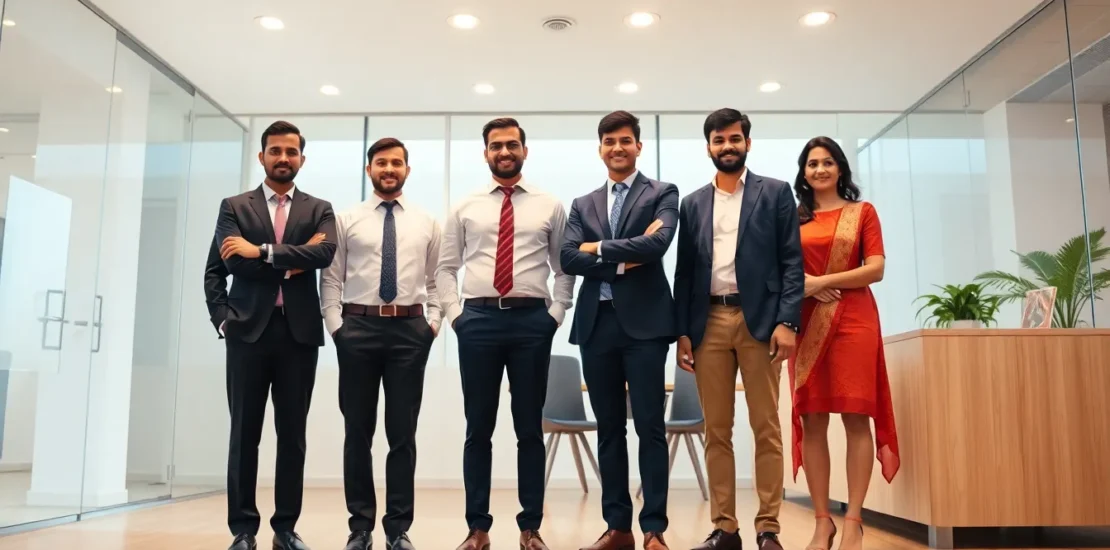
IT equipment lease Bangalore is a financial and operational model where a business rents computers, laptops, servers, and other technology hardware from a leasing company for a fixed monthly fee, instead of purchasing it outright. This approach transforms large capital expenditures into predictable operational expenses, providing access to the latest equipment with built-in maintenance and replacement cycles. It is a strategic tool for managing cash flow, technology obsolescence, and administrative overhead for companies in India’s tech capital.
Opening: The Real Problem You’re Facing
If you’re reading this, you’re probably dealing with a founder or CFO asking why the company’s cash is locked up in depreciating laptops, or an IT manager screaming about 5-year-old machines slowing down your new developers. You’re caught between budget constraints and the urgent need for reliable tech. Maybe you just onboarded a batch of new hires and the procurement delay meant they sat idle for a week. Or you’re staring at a stack of broken devices with expired warranties, unsure how to dispose of them. This isn’t just an IT problem; it’s a business agility and employee productivity problem. This playbook will give you the exact steps to fix it through a strategic IT equipment lease Bangalore program.
What Exactly Is IT equipment lease Bangalore? (The No-Jargon Version)
Forget the financial terminology. Think of it like this: instead of your company buying a car (a laptop), you’re taking it on a long-term subscription from a rental company. You pay a monthly fee, you get to use it, and the rental company handles the servicing, insurance, and even swaps it for a newer model after a few years.
In Bangalore’s context, this means partnering with a leasing provider who will supply, maintain, and refresh the computers, monitors, and other hardware your team needs. You don’t own the assets. You’re paying for the *utility* of the technology. This is crucial in a market like Bangalore, where tech talent expects functional, modern tools, and where the rapid pace of innovation can make purchased equipment obsolete in 18-24 months.
The core value isn’t just “renting.” It’s about predictability. Your finance team gets a clear, fixed line item for tech. Your IT team gets a single point of contact for repairs and replacements. And you, as HR, ensure new hires are productive from Day 1 with a ready-to-use machine. A well-structured IT equipment lease Bangalore agreement turns a chaotic capital expense into a smooth, managed service.
How Do You Know You Need Better IT equipment lease Bangalore?
Don’t wait for a major breakdown. Here are the warning signs that your current approach to IT hardware is bleeding money and morale.
| Warning Sign | What It Actually Means | Urgency Level |
|---|---|---|
| New hires wait 5+ days for a laptop after joining. | Your procurement process is broken. You’re paying salaries for unproductive time and damaging the employee experience from day one. | HIGH – Immediate action needed. |
| More than 15% of your fleet is over 3 years old. | You’re facing increased downtime, security vulnerabilities, and compatibility issues. Productivity is taking a silent hit. | HIGH – Plan a refresh cycle. |
| IT team spends >30% time on basic hardware troubleshooting/repair. | Your high-cost engineers are acting as glorified desktop support. This is a massive misallocation of talent and budget. | MEDIUM-HIGH – Need to offload maintenance. |
| Unexpected “capex shock” for bulk hardware purchases strains quarterly budgets. | Cash flow is unpredictable. You’re missing opportunities to invest that capital in revenue-generating activities like sales or marketing. | MEDIUM – Plan for the next fiscal. |
| No clear process for secure data wiping and disposal of old equipment. | You are at risk of data breaches and non-compliance with e-waste (E-Waste Management Rules, 2016) regulations. This is a legal and reputational risk. | MEDIUM – Requires a formal policy. |
| Constant complaints about slow machines, especially from design, engineering, or data teams. | You are directly capping the output and innovation potential of your most expensive talent. Frustration leads to attrition. | HIGH – Direct impact on retention. |
| You have a mix of brands, models, and configurations causing support nightmares. | Standardization is zero. IT cannot create efficient deployment or security images, increasing setup time and risk. | MEDIUM – Standardization project needed. |
What Is the 90-Day Action Plan for IT equipment lease Bangalore?
This is your implementation roadmap. Follow it phase by phase.
#Weeks 1-2: Discovery & Internal Alignment
* Action 1: Form a Tiger Team. You (HR/Operations), the Head of IT/CTO, and Finance (Controller or CFO). This is non-negotiable. You represent user needs, technical specs, and budget.
* Action 2: Run a Hardware Audit. Create a simple spreadsheet: Employee Name, Department, Device Model, Purchase Date, Current Condition, Warranty Status. This is your baseline.
* Action 3: Define Needs with Department Heads. Meet with engineering, design, sales, and admin leads. What specs do they *actually* need? An engineer needs 32GB RAM, a salesperson needs portability and battery life. Document these as “user profiles.”
* Action 4: Get Finance Buy-in on the “Capex vs Opex” Model. Prepare a simple comparison: Show the large one-time cash outlay for 50 new laptops vs. the predictable monthly fee for leasing them, freeing up capital.
#Weeks 3-4: Vendor Shortlisting & RFQ Process
* Action 1: Identify 4-5 Reputable Vendors. Look for IT equipment lease Bangalore specialists. Ask for referrals from your Bangalore network. Check for providers with in-city service teams.
* Action 2: Issue a Detailed Request for Quotation (RFQ). Don’t just ask for price. Specify: Standard configurations (based on your user profiles), lease term options (24, 36 months), service level agreement (SLA) for repairs (e.g., “4-hour onsite response in Bangalore”), end-of-lease options (return, buy, refresh), inclusion of accidental damage protection, and their e-waste disposal certification.
* Action 3: Conduct Pilot Demos. Ask shortlisted vendors to provide 2-3 units of their proposed standard laptop for a 2-day test by your actual employees (an engineer and a non-engineer). Get real feedback.
#Month 2: Negotiation, Contract, & Pilot Rollout
* Action 1: Negotiate the Master Agreement. Focus on the SLA penalties, data privacy clauses, and the refresh flexibility. Can you upgrade 20% of your fleet early if a project demands it? Negotiate that.
* Action 2: Run a Controlled Pilot. Lease 10-15 devices for your next cohort of joiners or a specific department. Track everything: delivery time, setup experience, first service call resolution time.
* Action 3: Establish Processes. Create a simple intake form for HR (new hire details, start date, required user profile) that auto-triggers a device request to the leasing vendor. Define the IT process for asset tagging and software deployment on the leased devices.
#Month 3: Full Rollout & Transition Planning
* Action 1: Phase the Rollout. Don’t do it all at once. Start with all new hires. Then, replace the oldest/most problematic owned devices department by department.
* Action 2: Manage the Legacy Asset Disposal. For owned devices you’re replacing, work with the leasing vendor or a certified e-waste partner to securely wipe data and get a certificate of disposal. This is critical for compliance.
* Action 3: Conduct a Review Meeting. With your Tiger Team and the vendor, review the first month of the full rollout. Are SLAs being met? Is the HR intake process smooth? Adjust as needed.
What Tools and Frameworks Support IT equipment lease Bangalore?
This isn’t about fancy software. It’s about simple, effective frameworks.
* The Total Cost of Ownership (TCO) Calculator: Your primary tool for convincing finance. Build a spreadsheet comparing 3-year costs: Purchase Price + IT Support Time + Repair Costs + Depreciation + Disposal Cost vs. 36 months of Lease Payments + any buyout fee. The lease TCO is almost always lower and fully visible.
* The User Profile Matrix: A simple table that maps departments to pre-approved device configurations (e.g., “Developer – Laptop: 32GB RAM, 1TB SSD, dedicated GPU”). This eliminates spec debates and speeds up procurement.
* Vendor Scorecard: A framework to evaluate RFQ responses. Score (1-5) on: Price, SLA Terms, Bangalore Service Coverage, Financial Stability, and Flexibility.
| Approach | Best For | Watch Out For |
|---|---|---|
| Full-Service Lease (Hardware + Maintenance + Support) | Companies with no dedicated IT staff or those wanting to fully offload hardware headaches. The “hands-off” model. | Can be premium priced. Ensure the support team is responsive and technically competent. |
| Finance-Only Lease (Hardware, but your IT handles support) | Companies with a strong internal IT team that wants budget predictability but keeps control of repairs. | You carry the burden of warranty claims, spare parts inventory, and repair logistics. |
| Operating Lease (Return equipment at end of term) | Companies that always want the latest tech and don’t want the hassle of selling old assets. Maximizes flexibility. | You build no equity in the asset. Must have a clear plan for the next refresh at lease end. |
| Finance Lease / Lease-to-Own | Companies that eventually want to own the assets but need to spread payments. Functions like a loan. | You are responsible for the asset’s residual value and disposal. Less flexibility to upgrade mid-term. |
What Are the Common Pitfalls with IT equipment lease Bangalore?
I’ve seen these mistakes derail well-intentioned plans.
Pitfall 1: Not Reading the Fine Print on End-of-Lease. The biggest shock comes at month 36. What are the “fair wear and tear” guidelines? If you return a laptop with a minor scratch, will you be charged 30% of its value? Get these guidelines in writing *before* signing. Photograph devices at the time of receipt. I once saw a company get a massive bill because the leasing company said the keyboards were “excessively worn.”
Pitfall 2: Choosing the Cheapest Quote Blindly. The vendor offering Rs. 300/month less might have a 3-day SLA for repairs and no onsite support. Your cost of employee downtime will eclipse those savings immediately. Always evaluate cost *with* service quality. A slightly more expensive vendor with a 4-hour onsite SLA in Bangalore is almost always the better financial choice.
Pitfall 3: Failing to Integrate with HR Onboarding. The lease magic dies if HR has to email the vendor separately for each new hire. This creates delays and errors. Build a seamless process: the offer letter acceptance should trigger an automated alert to the vendor with the employee’s profile, start date, and delivery address. Without this, you’re back to square one.
Pitfall 4: Ignoring Data Security & Compliance. Who has administrative access to the devices before they reach your employee? Ensure the contract mandates that devices are delivered in a “factory fresh” state or with only your approved, secure image deployed. The leasing vendor should comply with ISO 27001 or similar standards. The data on that device is your liability, not theirs.
How Do You Sustain IT equipment lease Bangalore Long Term?
This is not a “set it and forget it” contract. It’s a living partnership.
Quarterly Business Reviews (QBRs): Mandate a meeting every quarter with your leasing account manager. Review: SLA performance reports, tickets raised and resolved, inventory levels, and upcoming lease end dates. Discuss tech trends—are newer, more efficient models available that could save costs or boost productivity?
Annual Policy Refresh: Once a year, reconvene your Tiger Team. Re-evaluate your “User Profile Matrix.” Do data scientists now need more powerful GPUs? Can admin staff move to more cost-effective Chromebooks? Adjust your standard configurations with the vendor for all future leases.
Plan the Refresh Wave: Your lease will have staggered end dates. 12 months before a large batch of leases expire, start planning. Do you want the latest model? Extend the lease on current terms? This proactive planning prevents a last-minute scramble and gives you negotiating leverage with your vendor.
Conclusion
Implementing a strategic IT equipment lease Bangalore program is one of the highest-impact operational changes an HR leader can drive. It directly links to employee productivity, satisfaction, and retention, while delivering financial predictability and reducing administrative drag. Your action is not to become a leasing expert overnight. Your action is to form that Tiger Team *this week*, run that hardware audit, and start conversations with vendors. Use the 90-day plan as your script. Turn the chaos of managing technology from a constant headache into a competitive advantage for your company in Bangalore’s fierce talent market.
—
FAQ
“In 15 years of consulting, I’ve seen one pattern: organizations that invest in culture outperform those that don’t by 3x.”
— Karthik, Founder & Principal Consultant, SynergyScape
Founder & Principal Consultant, SynergyScape | 15+ Years in HR Consulting & Organizational Development across Indian Enterprises
Transform Your Organization Today
Strategic HR Solutions & Corporate Consulting for Indian Enterprises.
Call: 90366 35585 | Email: synergyscape.blr@gmail.com
Related Articles You Might Find Useful
- Is Your IT Strategy Agile Enough? The Data-Driven Guide to Computer on Rent in Bangalore
- Desktop on Rent Bangalore: Is It the Smart Choice for Your Business Growth?
- How Does Laptop Lease Bangalore Work in IT, Manufacturing, Healthcare, BFSI & Retail?
- Is Laptop Rental the Right Choice for Your Bangalore Startup? A Practical Playbook
- Is Laptop Hire for Conferences Bangalore the Smart Choice for Your 2025 Event?