
What Does a Cybersecurity Consultant in Bangalore Actually Do for Your Business?
- June 4, 2026
- Posted by:
- Category: Business Strategy & OD
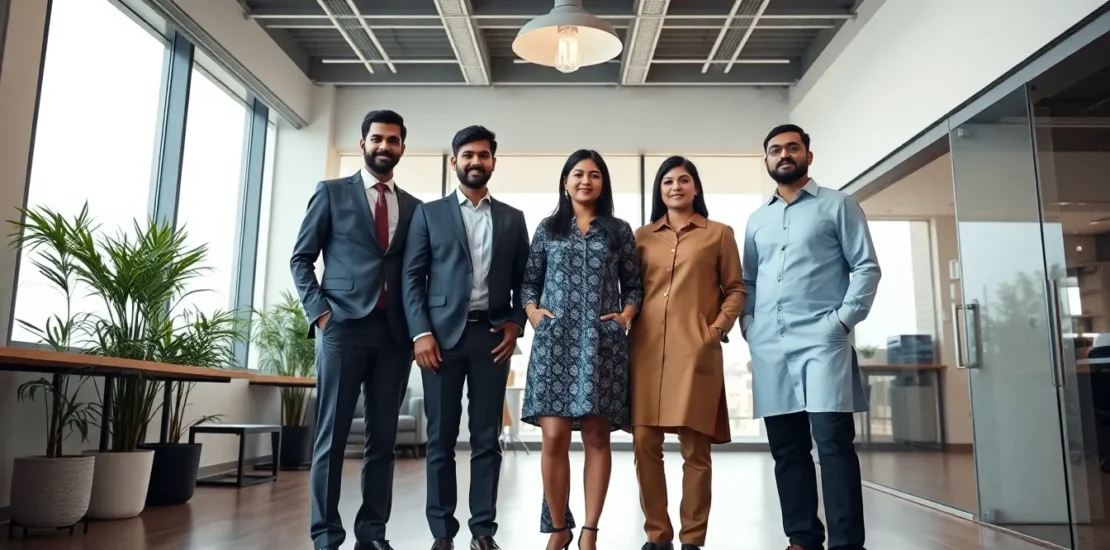
A cybersecurity consultant in Bangalore is a specialized advisor who helps organizations protect their digital assets, data, and systems from cyber threats. They assess vulnerabilities, design security strategies, and guide implementation—tailored to your business size, industry, and risk profile. Think of them as a strategic partner, not just a tech fixer.
I walked into a mid-sized fintech firm in Bangalore last year. The CEO, a sharp woman in her early forties, was visibly shaken. Her company had just survived a ransomware attack that locked customer payment data for 72 hours. The ransom demand was modest—₹15 lakh—but the reputational damage was brutal. Clients were leaving. The board was asking hard questions. She told me, “We thought we were too small to be a target. We were wrong.”
That moment stuck with me. Over 15 years in HR consulting and organizational development, I’ve seen this pattern repeat across Indian enterprises—from startups in Koramangala to manufacturing giants in Peenya. Cybersecurity isn’t just an IT problem. It’s a leadership problem, a culture problem, and a survival problem. And the solution often starts with the right guide: a cybersecurity consultant in Bangalore who understands your terrain.
You might be reading this because you’ve had a close call, or because your compliance team flagged a gap. Maybe you’re scaling fast and know you can’t afford a breach. Whatever your reason, this guide is for you. I’ll share what I’ve learned from working with dozens of companies—what works, what doesn’t, and how to make a cybersecurity consultant in Bangalore a real asset, not just a line item in your budget.
What Is cybersecurity consultant Bangalore and Why Should Indian Businesses Care?
Let’s strip away the buzzwords. A cybersecurity consultant in Bangalore is someone who brings both technical depth and business context. They don’t just install firewalls or run penetration tests. They sit with your leadership team, understand your revenue streams, your customer data flows, your compliance obligations (like RBI guidelines for fintech or IT Act provisions), and then build a security posture that fits. In a city like Bangalore—India’s tech hub—you’re dealing with a unique mix: fast-growing startups, global MNCs, government contracts, and a talent pool that’s both deep and transient. The threats are real. According to a 2023 NASSCOM-DSCI report, India saw over 1.3 million cyber incidents in 2022, with the average cost of a data breach hitting ₹17.6 crore for large enterprises. For SMEs, the impact can be existential.
Why should you care? Because the days of “it won’t happen to us” are over. Indian businesses are now prime targets—not just for ransomware, but for phishing, insider threats, and supply chain attacks. A cybersecurity consultant in Bangalore helps you move from reactive panic to proactive defense. They bring frameworks like NIST, ISO 27001, or the Indian Computer Emergency Response Team (CERT-In) guidelines into your daily operations. More importantly, they help you build a culture where security isn’t just the IT team’s headache. It’s everyone’s responsibility—from the receptionist to the CFO.
I’ve seen companies in Bangalore spend crores on tech—SIEMs, endpoint detection, cloud security tools—only to have a breach because an employee clicked a malicious link in a WhatsApp message. That’s where a consultant’s real value lies: bridging the gap between technology and human behavior. They help you ask the right questions: Are your vendors secure? Do you have an incident response plan that’s actually practiced? Is your data backup tested monthly? These aren’t technical questions. They’re business questions.
What Are the Biggest Challenges with cybersecurity consultant Bangalore?
Let’s be honest. Hiring a cybersecurity consultant in Bangalore isn’t a magic bullet. I’ve seen three recurring problems that trip up even well-intentioned companies.
First, there’s the “checklist trap.” Many consultants come in, run a vulnerability scan, hand you a 50-page report, and disappear. You’re left with a list of fixes that feel overwhelming and disconnected from your daily reality. I once worked with a logistics company in Whitefield that had spent ₹8 lakh on such a report. The CEO told me, “We have 47 critical findings. We don’t know where to start. And the consultant won’t return our calls.” That’s not consulting—that’s a transaction. A good cybersecurity consultant in Bangalore should stay with you through implementation, not just diagnosis.
Second, there’s the “cultural mismatch.” Bangalore’s workforce is young, mobile, and often remote. A consultant who comes in with a rigid, top-down approach—like mandating complex passwords that change every 30 days—will face resistance. I’ve seen teams bypass security controls because they felt “too slow” or “too annoying.” The challenge is to design security that works with your culture, not against it. For example, instead of banning personal devices, a smart consultant helps you implement mobile device management (MDM) and train employees on safe usage. It’s about behavior change, not rule enforcement.
Third, there’s the “scope creep” problem. Cybersecurity is vast—network security, cloud security, application security, compliance, incident response, employee training, vendor risk management. Some consultants promise the moon but deliver only a fraction. Others try to upsell you on expensive tools you don’t need. I’ve seen a startup in Indiranagar spend ₹25 lakh on a SIEM tool that required a dedicated analyst to manage—something they couldn’t afford. The result? The tool sat unused for six months. A good cybersecurity consultant in Bangalore helps you prioritize based on your actual risk profile, not a sales pitch.
How Does a Strong cybersecurity consultant Bangalore Strategy Actually Work?
A strong strategy isn’t about having the most expensive tools. It’s about alignment—between your business goals, your risk appetite, and your security posture. Here’s a comparison table that captures the difference between what most companies do and what actually works.
| What Most Companies Do | What Actually Works |
|---|---|
| Hire a consultant for a one-time audit | Engage a consultant for a 6–12 month partnership with regular reviews |
| Focus only on technology (firewalls, antivirus) | Combine technology with employee training, policy design, and incident drills |
| Buy tools first, then figure out who manages them | Assess your team’s capacity and budget before purchasing any tool |
| Treat security as an IT-only project | Involve leadership, HR, legal, and finance from day one |
| Ignore compliance until a regulator knocks | Build compliance into your operations (e.g., ISO 27001, GDPR, RBI guidelines) |
| Rely on generic checklists | Use risk-based frameworks like NIST CSF or CIS Controls tailored to your industry |
The difference is subtle but profound. When you work with a cybersecurity consultant in Bangalore who follows the “what actually works” column, you’re not just buying a service. You’re building a capability. I’ve seen companies reduce their incident response time from 48 hours to under 4 hours within six months of adopting this approach. The key is consistency—not perfection.
How to Implement cybersecurity consultant Bangalore Step by Step
Here’s a step-by-step process I’ve refined over the years. It’s not a one-size-fits-all, but it works for most mid-sized Indian enterprises.
1. Start with a risk assessment, not a tool demo. Before you even talk to a cybersecurity consultant in Bangalore, map out your critical assets—customer data, financial systems, intellectual property, and compliance obligations. A good consultant will spend the first two weeks just listening and observing. They’ll interview your team, review your current policies, and run a lightweight vulnerability scan. This phase costs ₹50,000–₹1.5 lakh typically, but it saves you from buying the wrong solutions later.
2. Define your scope and budget together. Be clear about what you need. Is it compliance (like ISO 27001 certification)? Is it incident response? Is it employee training? A cybersecurity consultant in Bangalore should help you prioritize. For example, if you’re a B2B SaaS company, application security and vendor risk management might be top priorities. If you’re a healthcare provider, patient data protection and HIPAA compliance (or India’s Digital Personal Data Protection Act) will dominate. Set a realistic budget—₹3–10 lakh for a mid-sized company for a year-long engagement is common.
3. Design a security roadmap with milestones. Don’t try to fix everything at once. Break it into phases: Month 1–2: Quick wins (multi-factor authentication, password policy, basic employee training). Month 3–6: Core controls (endpoint protection, network segmentation, backup testing). Month 7–12: Advanced measures (SIEM implementation, penetration testing, vendor audits). A cybersecurity consultant in Bangalore should give you a Gantt chart or a simple timeline with measurable outcomes.
4. Invest in people, not just tech. This is where most companies fail. You can have the best firewall in the world, but if an employee plugs in a compromised USB drive, you’re toast. A good consultant will run phishing simulations, conduct workshops, and create a “security champions” program—where one person per team becomes the go-to for security questions. I’ve seen this reduce phishing click rates from 30% to under 5% in three months.
5. Test your incident response plan quarterly. Don’t wait for a real breach to see if your plan works. Simulate a ransomware attack or a data leak. A cybersecurity consultant in Bangalore should facilitate these drills, debrief with your team, and update the plan based on lessons learned. This builds muscle memory. When the real thing happens, your team won’t panic—they’ll act.
6. Review and iterate every quarter. Cybersecurity isn’t a one-and-done project. Threats evolve, your business changes, and new regulations emerge. Schedule quarterly reviews with your consultant to assess progress, adjust priorities, and celebrate wins. This keeps the momentum alive and ensures you’re not drifting back to bad habits.
What Results Can You Expect from cybersecurity consultant Bangalore?
If you follow the steps above, the results are tangible. But let me be clear: you won’t see a 100% reduction in incidents—no one can promise that. What you will see is a shift in how your organization thinks about risk.
Within six months, most companies I’ve worked with report a 40–60% reduction in successful phishing attacks. Employee awareness scores improve from “we don’t measure it” to 85%+ in simulated tests. Incident response times drop from days to hours. And compliance audits—whether it’s for ISO 27001, SOC 2, or RBI—become smoother. I’ve seen a Bangalore-based e-commerce company cut its audit preparation time from three months to three weeks after working with a cybersecurity consultant.
But the real win is cultural. Your team stops seeing security as a burden. They start flagging suspicious emails without being told. Your leadership team asks for security updates in board meetings. Your customers feel safer doing business with you. I remember a CEO telling me, “We used to dread security conversations. Now, it’s part of how we sell.” That’s the kind of result that compounds over time.
What Do Experts Say About cybersecurity consultant Bangalore?
Industry frameworks back up what I’ve seen on the ground. The National Institute of Standards and Technology (NIST) Cybersecurity Framework—widely adopted in India—emphasizes five functions: Identify, Protect, Detect, Respond, Recover. A good cybersecurity consultant in Bangalore will map your strategy to these pillars. For example, the “Identify” phase includes asset management and risk assessment—exactly where I recommend you start.
Deloitte’s 2024 Global Cybersecurity Outlook report highlights that organizations with a dedicated cybersecurity consultant (internal or external) are 2.5 times more likely to detect a breach within 24 hours. That’s not just a stat—it’s a survival metric. In India, where the average breach detection time is still 197 days (according to IBM’s 2023 Cost of a Data Breach report), every hour counts.
NASSCOM’s Cybersecurity Task Force has also stressed the need for “cybersecurity as a business enabler,” not a cost center. They recommend that Indian companies—especially SMEs—invest in consultants who can translate technical risks into business language. That’s exactly what a cybersecurity consultant in Bangalore does when they help you prioritize a ₹5 lakh investment over a ₹50 lakh one because the smaller fix addresses your biggest risk.
Conclusion
I started this guide with a story about a fintech CEO who survived a ransomware attack. Six months after we started working together, she called me. “We just passed our first simulated drill,” she said. “The team didn’t panic. They followed the playbook. And we caught the fake breach in 12 minutes.” That’s the shift—from fear to confidence.
A cybersecurity consultant in Bangalore isn’t a luxury. In today’s threat landscape, it’s a necessity. But the right one—the one who listens, who stays, who builds your capability—is worth every rupee. Your business deserves that kind of partner. So take the first step. Start with a conversation. Your future self will thank you.
FAQ
Frequently Asked Questions About cybersecurity consultant Bangalore
What does a cybersecurity consultant in Bangalore typically charge?
Fees vary widely based on scope and company size. For a mid-sized enterprise (50–200 employees), expect ₹3–10 lakh per year for a comprehensive engagement. Hourly rates range from ₹3,000–₹10,000. Always ask for a detailed proposal with milestones.
How long does it take to see results from hiring a cybersecurity consultant?
Quick wins like multi-factor authentication and employee training show impact in 4–6 weeks. Full maturity—like ISO 27001 certification or incident response readiness—takes 6–12 months. Consistency matters more than speed.
Can a small startup in Bangalore afford a cybersecurity consultant?
Yes. Many consultants offer scaled-down packages for startups—starting at ₹50,000–₹1.5 lakh for a risk assessment and basic controls. Focus on the top 3 risks first. You don’t need enterprise-grade solutions from day one.
What certifications should I look for in a cybersecurity consultant in Bangalore?
Look for CISSP, CISM, CEH, or ISO 27001 Lead Auditor certifications. Experience in your industry (fintech, healthcare, e-commerce) is equally important. Ask for case studies or client references.
How do I know if my current cybersecurity consultant is effective?
Track metrics: phishing simulation click rates, incident response times, number of unpatched vulnerabilities, and employee training completion. A good consultant will share quarterly reports and adjust based on results.
Is it better to hire an in-house cybersecurity team or use a consultant?
For most mid-sized companies, a consultant is more cost-effective—you get expertise without full-time salary costs. As you scale (200+ employees), consider building an internal team, but keep the consultant for specialized audits and incident response.
“The smartest investment any Indian SME can make right now isn’t technology — it’s building a culture where good people want to stay.”
— Karthik, Founder & Principal Consultant, SynergyScape
Founder & Principal Consultant, SynergyScape | 15+ Years in HR Consulting & Organizational Development across Indian Enterprises
Transform Your Organization Today
Strategic HR Solutions & Corporate Consulting for Indian Enterprises.
Call: 90366 35585 | Email: synergyscape.blr@gmail.com
Related Articles You Might Find Useful
- How Do Industry-Specific Cybersecurity Services in Bangalore Differ for IT, Manufacturing, Healthcare, BFSI, and Retail?
- How to Build a Practical 90-Day Security Plan with a Cybersecurity Company Bangalore
- Can I Cancel IT AMC Contract Anytime? A Data-Backed Guide for Indian Enterprises
- Do I Need IT AMC If I Have Cloud Servers? A Complete Guide for Indian Businesses
- How Do MSPs Charge for Services Across Different Industries in India?