How Does an IT Security Audit in Bangalore Differ Across Industries?
- May 4, 2026
- Posted by:
- Category: Business Strategy & OD

IT security audit Bangalore is a systematic evaluation of an organization’s information systems, policies, and controls to identify vulnerabilities, ensure compliance, and mitigate risks. It varies significantly by industry due to differing regulatory requirements, operational environments, and threat landscapes.
OPENING
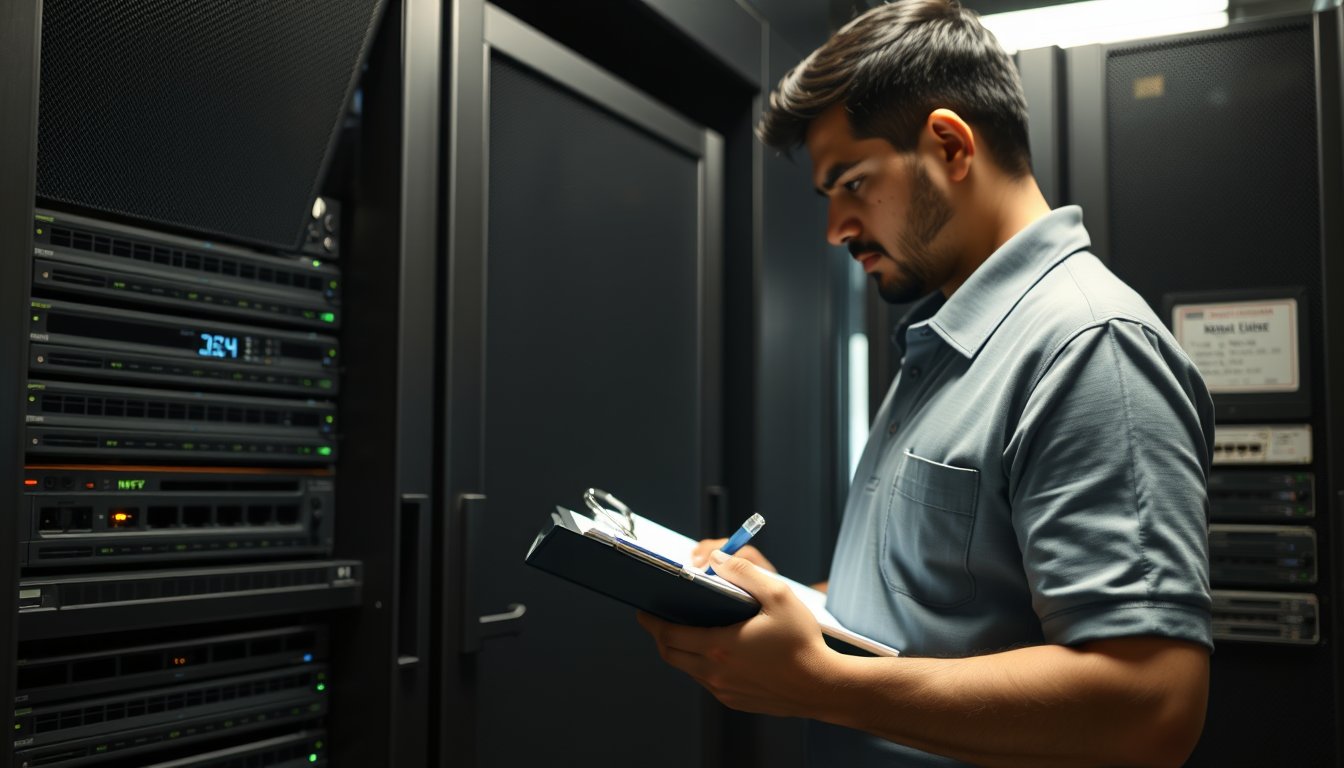
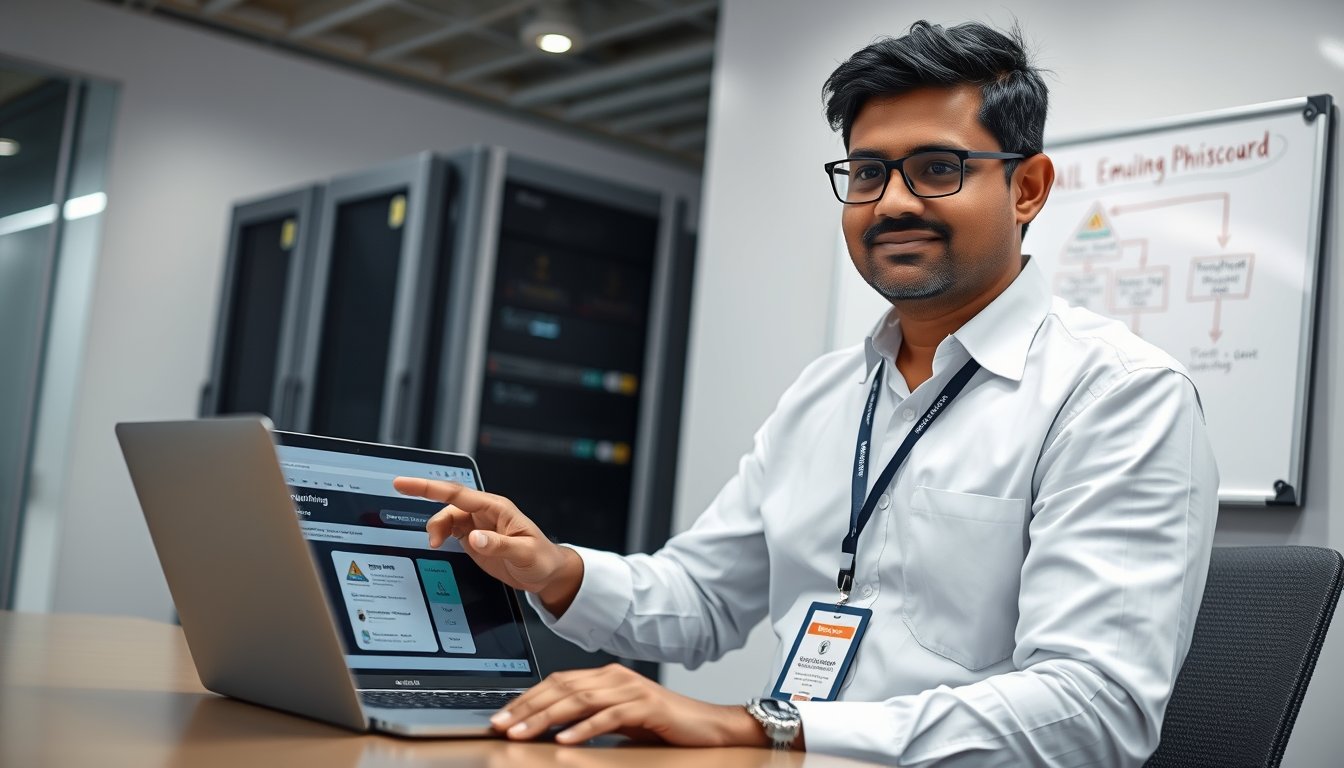
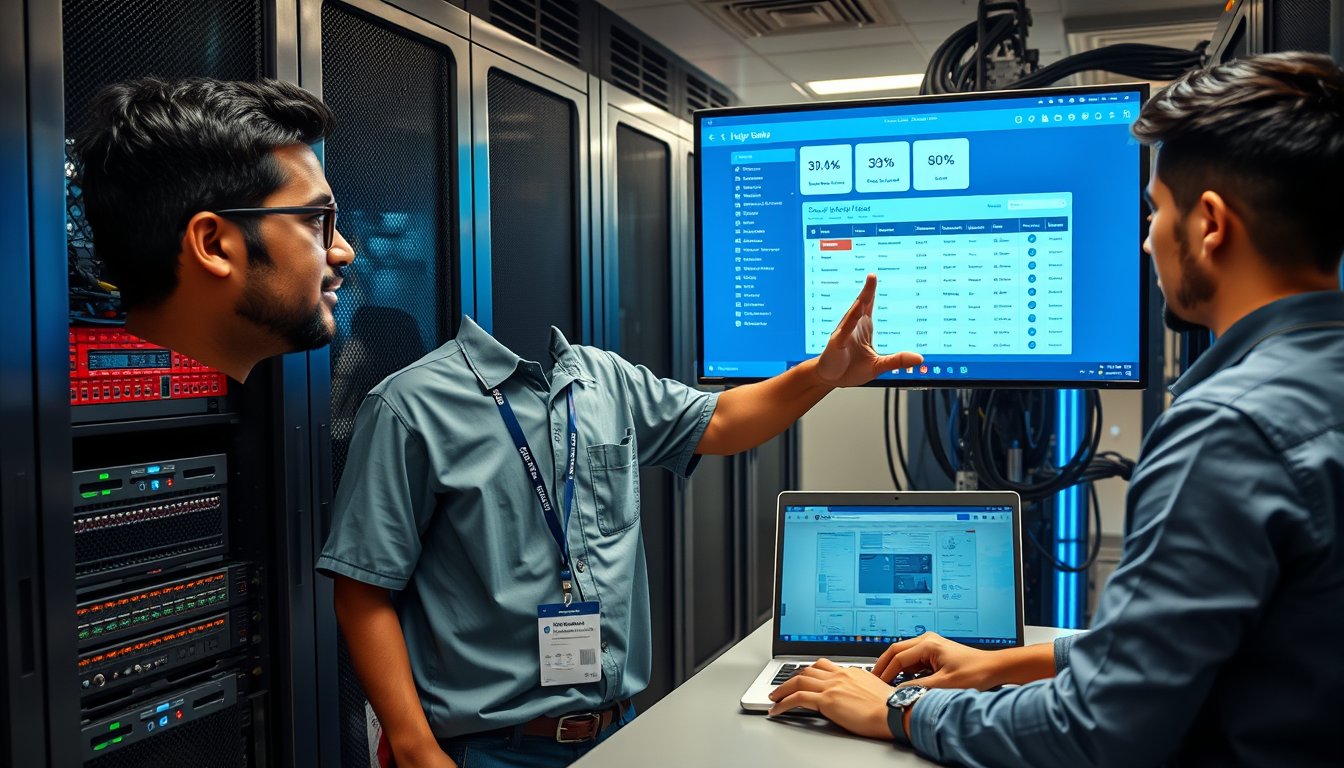
Imagine two scenes in Bangalore. In a gleaming IT park in Whitefield, a cybersecurity auditor sits with a DevOps team, scanning code repositories and reviewing cloud configurations. They’re looking for API vulnerabilities and misconfigured access controls. Meanwhile, 20 kilometers away in Peenya Industrial Area, a different auditor walks through a factory floor, checking the firmware on a CNC machine and verifying that the SCADA system isn’t exposed to the internet. Both are conducting an IT security audit Bangalore, but their tools, focus, and risks couldn’t be more different.
This contrast is the heart of industry-comparative auditing. A one-size-fits-all approach fails because a hospital’s audit must prioritize patient data privacy, a bank’s audit focuses on transaction integrity, and a retailer’s audit centers on payment card security. In this guide, I’ll walk you through how IT security audit Bangalore plays out across manufacturing, IT, healthcare, BFSI, and retail—drawing on 15 years of consulting experience across these sectors.
—
H2: What Is IT security audit Bangalore and Why Does It Vary by Industry?
At its core, an IT security audit Bangalore examines three pillars: confidentiality, integrity, and availability of data and systems. But the weight given to each pillar shifts dramatically by industry. For a tech company, confidentiality of source code and customer data is paramount. For a manufacturer, availability of production systems is non-negotiable—a downtime of even 30 minutes can cost lakhs in lost output.
The variation also stems from regulatory frameworks. In BFSI, the Reserve Bank of India (RBI) mandates specific audit cycles and controls. In healthcare, the Digital Information Security in Healthcare Act (DISHA) and IT Act rules govern patient data. Manufacturing, unless it’s defense or aerospace, has fewer statutory mandates but faces unique operational technology (OT) risks. Retail, especially e-commerce, must comply with PCI DSS for card payments.
Bangalore’s unique position as India’s tech hub adds another layer. Many companies here have hybrid IT environments—some legacy on-premise systems alongside cloud-native stacks. An IT security audit Bangalore must account for this diversity, often requiring auditors who understand both old-school network segmentation and modern zero-trust architectures.
—
H2: How Does IT security audit Bangalore Work in IT and Technology Companies?
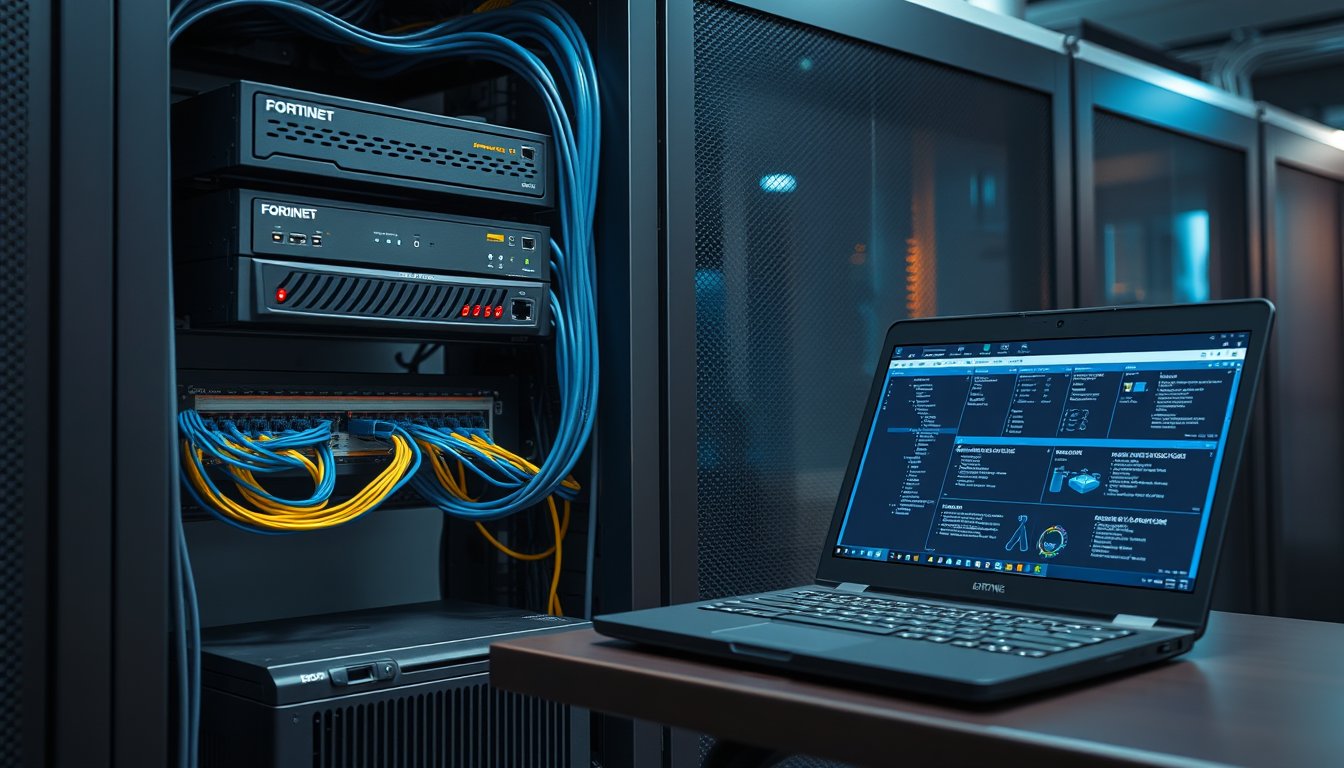
In IT and SaaS companies, the audit is heavily code-centric. I’ve worked with a fintech startup in Koramangala where the audit began with a static application security testing (SAST) scan of their mobile app. The auditor then reviewed their CI/CD pipeline for insecure defaults—like hardcoded API keys in Docker images. A common finding in Bangalore’s tech scene is overly permissive IAM roles in AWS or GCP, where developers accidentally grant write access to entire S3 buckets.
The audit also covers third-party risk. Most tech companies use dozens of SaaS tools—Slack, Jira, GitHub, and more. An IT security audit Bangalore will check if these integrations have proper OAuth scopes and if vendor security assessments are done annually. For example, I once audited a B2B software firm that had a Trello board with customer credentials visible to all employees—a classic oversight.
Penetration testing is standard here. Auditors simulate attacks on web applications, APIs, and internal networks. In one audit for a Bangalore-based edtech company, we found that their student portal had a SQL injection vulnerability that could expose millions of records. The fix was simple—parameterized queries—but the risk was severe.
Actionable insight for IT companies: Automate compliance checks using tools like AWS Config or Azure Policy. Integrate security scanning into your CI/CD pipeline, not as a separate step. And never assume your cloud provider secures everything—shared responsibility is real.
—
H2: How Does IT security audit Bangalore Apply in Manufacturing and Operations?
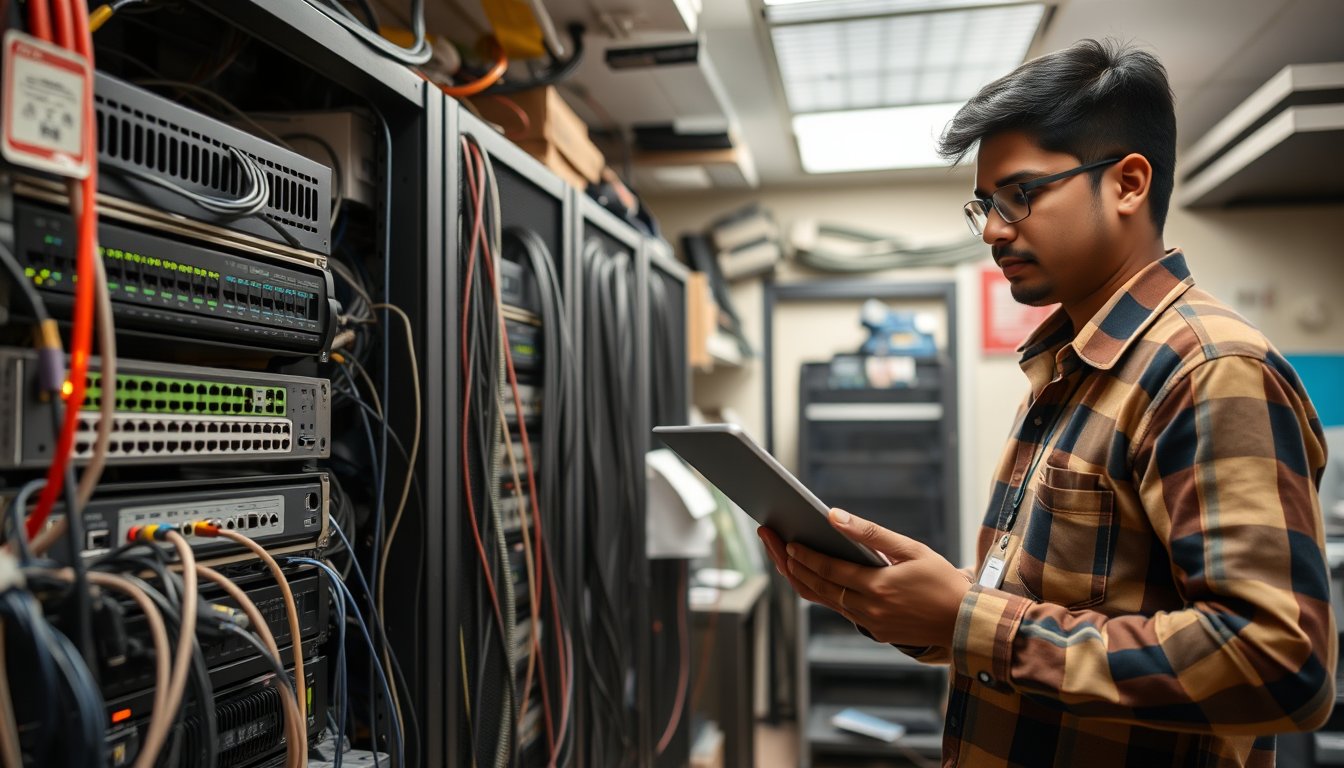
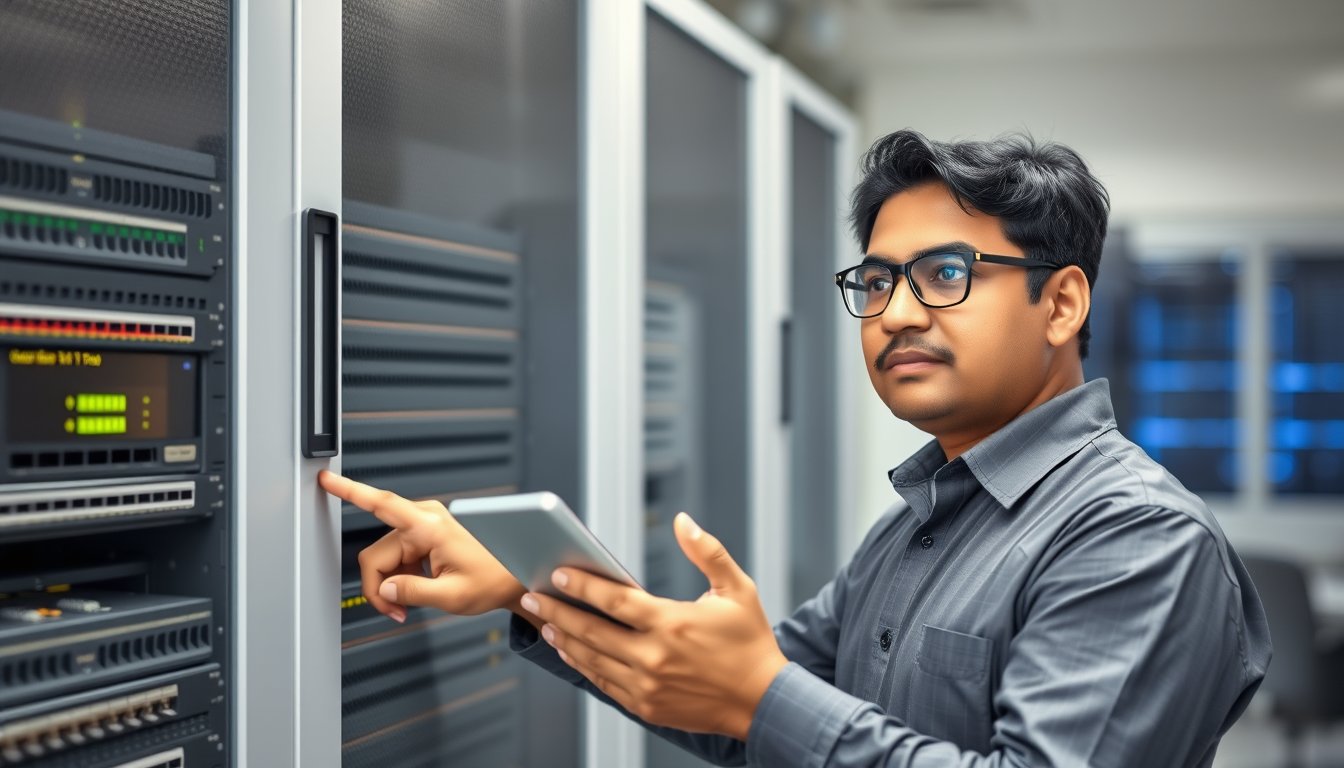
Manufacturing audits are a different beast. Here, the focus shifts from data to operational technology (OT)—the machines, sensors, and controllers that run the factory floor. In Peenya or Bommasandra, I’ve seen factories where the same network that controls robotic arms also connects to the internet for remote monitoring. That’s a disaster waiting to happen.
An IT security audit Bangalore for a manufacturer starts with network segmentation. Are the OT systems isolated from the corporate IT network? In one audit for an auto parts manufacturer, we found that the plant’s PLCs (programmable logic controllers) were on the same VLAN as the HR department’s printers. A ransomware attack on the corporate side could have shut down production entirely.
Firmware and patch management is another critical area. Many industrial machines run on outdated operating systems—Windows XP or even DOS-based controllers. Auditors check for unpatched vulnerabilities and whether there’s a process to update firmware without disrupting production. I recall a textile factory where the SCADA system hadn’t been patched in five years because “it’s too risky to take it offline.”
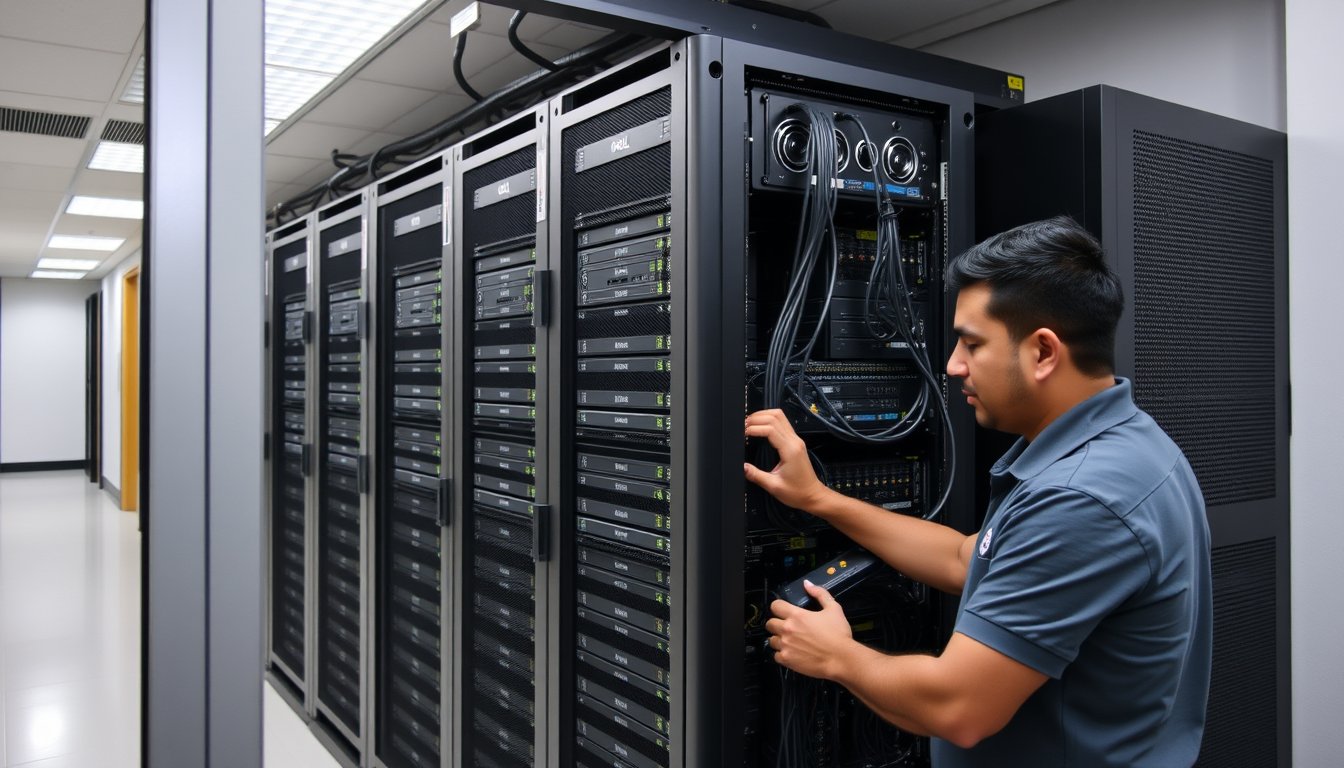
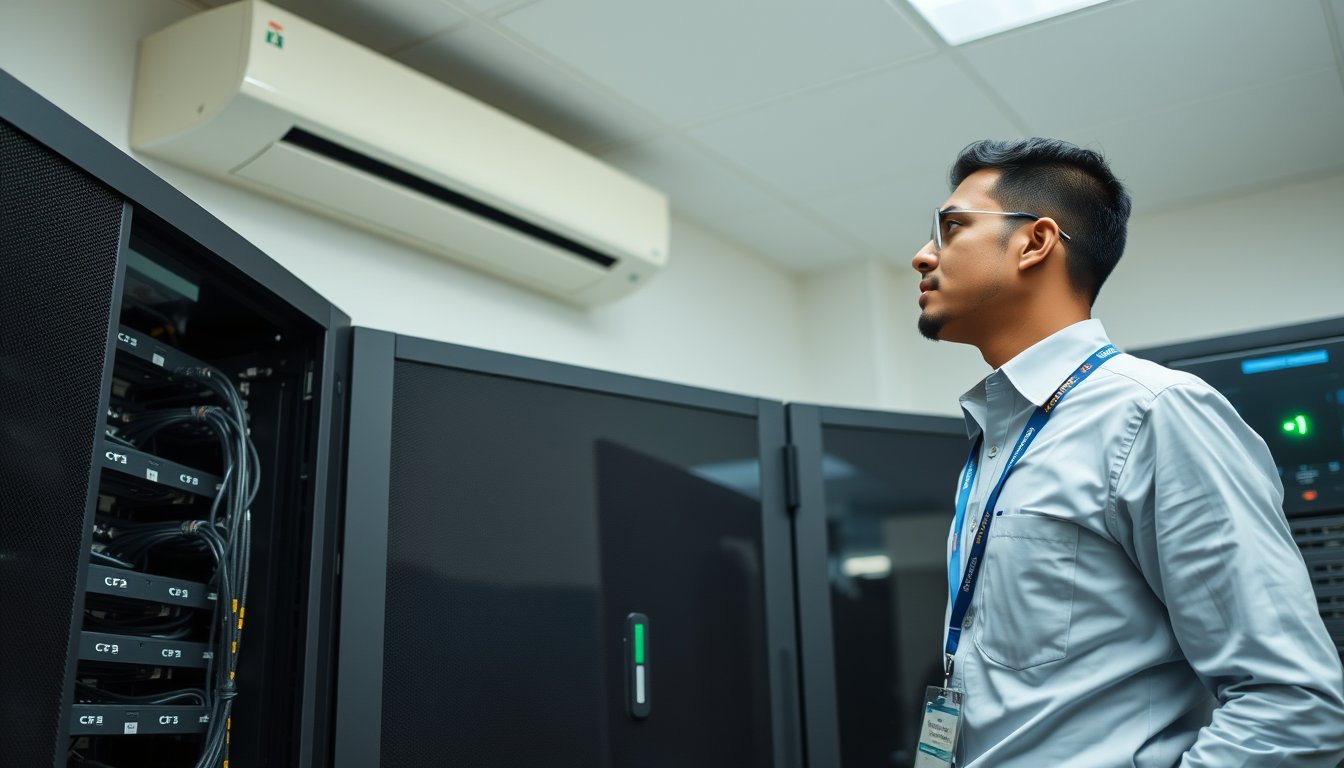
Physical security also matters. In manufacturing, an IT security audit Bangalore includes reviewing access to server rooms and control panels. Are they locked? Is there CCTV? One audit revealed that the main control room door was propped open with a chair for “easy access” during shifts.
Actionable insight for manufacturers: Implement a DMZ (demilitarized zone) between IT and OT networks. Use unidirectional gateways for data flow from OT to IT. And create an air-gapped backup for critical PLC configurations—so you can restore after an attack without paying ransom.
—
H2: What About IT security audit Bangalore in Healthcare, BFSI, and Retail?
Healthcare: In Bangalore’s hospitals and clinics, patient data is gold—and a liability. An IT security audit Bangalore for a healthcare provider focuses on HIPAA-like compliance (under India’s DISHA framework) and data encryption. I audited a multi-specialty hospital in Jayanagar where patient records were stored on a shared drive accessible to all nurses. The audit mandated role-based access control and audit logs for every record view. Also, medical devices like MRI machines and infusion pumps run on embedded systems that are often unpatched. The auditor checks if these devices are on a separate VLAN and if default passwords (like “admin/admin”) are changed.
BFSI: Banks and insurance firms in Bangalore face the strictest audits. The RBI’s Cyber Security Framework requires annual penetration tests, vulnerability assessments, and board-level reporting. An IT security audit Bangalore for a bank examines SWIFT network security, ATM fleet management, and mobile banking app security. In one audit for a small finance bank, we found that their core banking system had a backdoor user account left over from a vendor demo—a critical finding. Also, BFSI auditors test for social engineering: can an attacker call the help desk and reset a customer’s password? I’ve seen this fail repeatedly.
Retail: For retailers—both brick-and-mortar and e-commerce—PCI DSS compliance is king. An IT security audit Bangalore for a retail chain checks point-of-sale (POS) systems for malware, encryption of cardholder data, and secure deletion of transaction logs. In a Bangalore-based fashion retailer, the audit revealed that their POS terminals were connected to the same Wi-Fi as customer browsing—a classic PCI violation. For e-commerce, the focus shifts to web application firewalls, secure payment gateways, and bot detection.
Actionable insight for each: Healthcare—encrypt all patient data at rest and in transit, and conduct annual security awareness training for staff. BFSI—implement multi-factor authentication for all admin access and run quarterly red team exercises. Retail—segment POS networks from corporate networks and use tokenization for card data.
—
H2: What Is the Universal Framework for IT security audit Bangalore?
Despite industry differences, a universal framework underpins every IT security audit Bangalore. It follows a five-phase approach: scoping, assessment, reporting, remediation, and re-audit. Here’s a comparison table showing how each industry applies it:
| Industry | Key Challenge | Best Practice | Common Mistake |
|————–|——————-|——————-|———————|
| IT/Tech | Rapid code changes | Integrate SAST/DAST in CI/CD | Ignoring third-party library vulnerabilities |
| Manufacturing | Legacy OT systems | Network segmentation with DMZ | Patching OT without testing in sandbox |
| Healthcare | Patient data privacy | Role-based access + encryption | Leaving default passwords on medical devices |
| BFSI | Regulatory compliance | Quarterly penetration tests | Overlooking social engineering risks |
| Retail | Payment card security | PCI DSS v4.0 compliance | Connecting POS to guest Wi-Fi |
The universal principles include: inventory all assets, classify data by sensitivity, enforce least privilege, log and monitor all access, and have an incident response plan. Every industry must also address the human factor—phishing simulations and security training are non-negotiable.
—
H2: How Should SMEs Approach IT security audit Bangalore Differently?
Small and medium enterprises (SMEs) in Bangalore often think they’re too small to be targeted. That’s a dangerous myth. I’ve seen a 20-person logistics startup lose ₹15 lakh to a ransomware attack because they skipped an IT security audit Bangalore. SMEs face resource constraints, but they can adopt a risk-based approach.
First, prioritize what matters. For a small manufacturing unit, focus on OT network segmentation and backup restoration testing. For a boutique healthcare clinic, ensure patient data is encrypted and access is logged. Use free or low-cost tools like OWASP ZAP for web scanning or Wazuh for SIEM.
Second, leverage managed security service providers (MSSPs). Bangalore has many affordable options that offer quarterly audits for ₹50,000-1,00,000 per year. Third, automate compliance. For example, use a checklist aligned with ISO 27001 or NIST CSF, even if you don’t seek certification.
Actionable insight for SMEs: Start with a basic vulnerability scan and a phishing simulation. Fix the top 5 risks first. Document everything—auditors love evidence. And never skip physical security checks; a unlocked server room door can undo all your digital controls.
—
CONCLUSION
An IT security audit Bangalore is not a checkbox exercise—it’s a strategic tool that adapts to the heartbeat of each industry. Whether you’re protecting code in a tech startup, production lines in a factory, patient records in a hospital, transactions in a bank, or payment data in a store, the principles remain the same: know your assets, control access, and prepare for the worst. The future will see more convergence—OT and IT merging, cloud adoption accelerating, and AI-driven threats rising. But the human element—training, awareness, and culture—will always be the strongest defense. Start your audit today, not tomorrow. The cost of prevention is always lower than the cost of recovery.
—
FAQ
Frequently Asked Questions About IT security audit Bangalore
What is the average cost of an IT security audit in Bangalore?
Costs vary widely by scope and industry. For SMEs, a basic audit can range from ₹50,000 to ₹1,50,000. For mid-sized firms, expect ₹2-5 lakhs. Large enterprises with complex environments may spend ₹10-25 lakhs annually. Always get a detailed scope document before agreeing to a price.
How often should a company conduct an IT security audit in Bangalore?
At minimum annually. However, high-risk industries like BFSI should do quarterly audits. IT companies with frequent code releases should integrate continuous auditing into their DevOps pipeline. After any major system change or security incident, conduct an immediate audit.
What certifications should an IT security auditor in Bangalore have?
Look for CISSP, CISA, or CEH certifications. For OT-focused audits, GICSP or CISSP-ISSAP is valuable. For cloud audits, CCSK or AWS Security Specialty. Experience in your specific industry is equally important—a BFSI auditor should understand RBI guidelines.
Can an IT security audit be done remotely?
Partially. Document reviews, policy checks, and cloud configuration audits can be remote. However, physical audits—checking server rooms, factory floors, and POS terminals—require on-site visits. A hybrid approach is common in Bangalore post-pandemic.
What is the difference between a vulnerability assessment and a penetration test?
A vulnerability assessment scans for known weaknesses (like unpatched software). A penetration test simulates an actual attack to exploit those weaknesses. An IT security audit typically includes both, plus policy and compliance reviews.
How long does an IT security audit take in Bangalore?
For a small company (10-50 employees), 2-3 days. For mid-sized (50-200 employees), 1-2 weeks. For large enterprises, 3-6 weeks depending on scope. The reporting phase adds another week. Plan for remediation time after the audit.
“The smartest investment any Indian SME can make right now isn’t technology — it’s building a culture where good people want to stay.”
— Karthik, Founder & Principal Consultant, SynergyScape
Founder & Principal Consultant, SynergyScape | 15+ Years in HR Consulting & Organizational Development across Indian Enterprises
Transform Your Organization Today
Strategic HR Solutions & Corporate Consulting for Indian Enterprises.
Call: 90366 35585 | Email: synergyscape.blr@gmail.com
Related Articles You Might Find Useful
- How to Choose and Implement Network Assessment Services Bangalore: A 90-Day HR Playbook
- What is the Real Cost of Skipping an IT infrastructure audit Bangalore in 2025?
- How Does IT Asset Disposal in Bangalore Differ Across Industries?
- How to Execute a Flawless Server Relocation in Bangalore: A 90-Day Playbook
- What Is the Proven Framework for office IT relocation Bangalore Success in 2025?