How to implement thin client solutions Bangalore in 90 days
- April 28, 2026
- Posted by:
- Category: Business Strategy & OD

If you’re reading this, you’re probably dealing with the same headache I’ve seen in a dozen Bangalore offices over the last decade. Your desktops are aging like milk in the sun, IT support is a black hole for your budget, and every time you walk past the server room, you smell burning money. You’ve heard whispers about “thin clients” and “virtual desktops,” but every vendor you call in Bangalore just wants to sell you a box—not a solution. You need a practical, no-nonsense playbook for thin client solutions Bangalore that actually works for your Indian company, whether you have 50 people in a Koramangala startup or 5,000 across multiple floors in Whitefield.
I’m Karthik. I’ve spent 15 years on the ground, implementing these systems in Indian companies—from the chaotic wiring of a 50-person office in Indiranagar to the structured chaos of a 5,000-employee enterprise in Electronic City. This is the playbook I wish I had when I started. No theory. Just action.
Definition Box: Thin client solutions in Bangalore refer to a centralized computing model where user devices (thin clients) have no local storage or processing power. All applications and data run on a central server, and the thin client simply displays the interface. Think of it as renting a powerful computer in the cloud, but using a cheap, low-power screen and keyboard at your desk.
—
H2: What Exactly Is thin client solutions Bangalore? (The No-Jargon Version)
Let’s cut the IT-speak. A thin client is a stripped-down computer. It has no hard drive, no fan, no powerful processor. It’s essentially a terminal that connects to a central server—either in your own server room or in the cloud—and streams your desktop to you. In Bangalore, where real estate is expensive and power costs are rising, this is a game-changer.
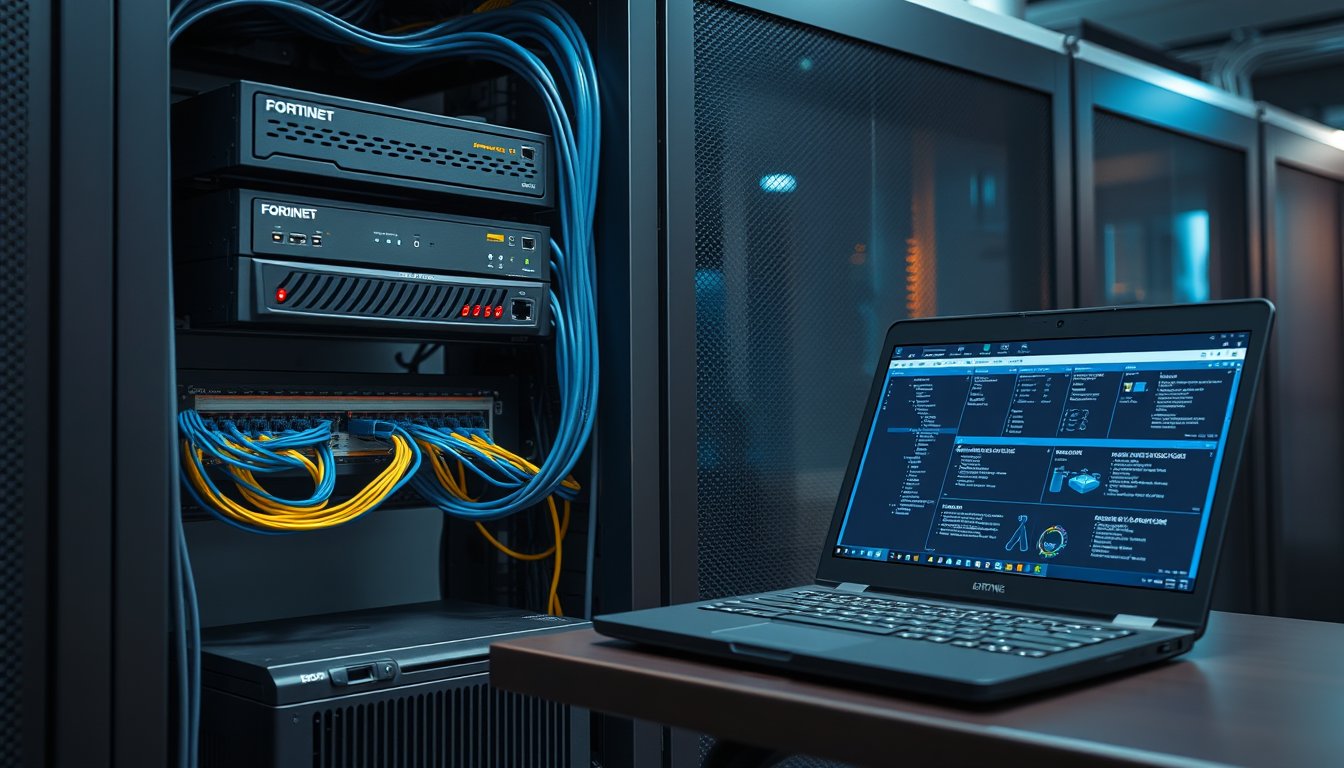
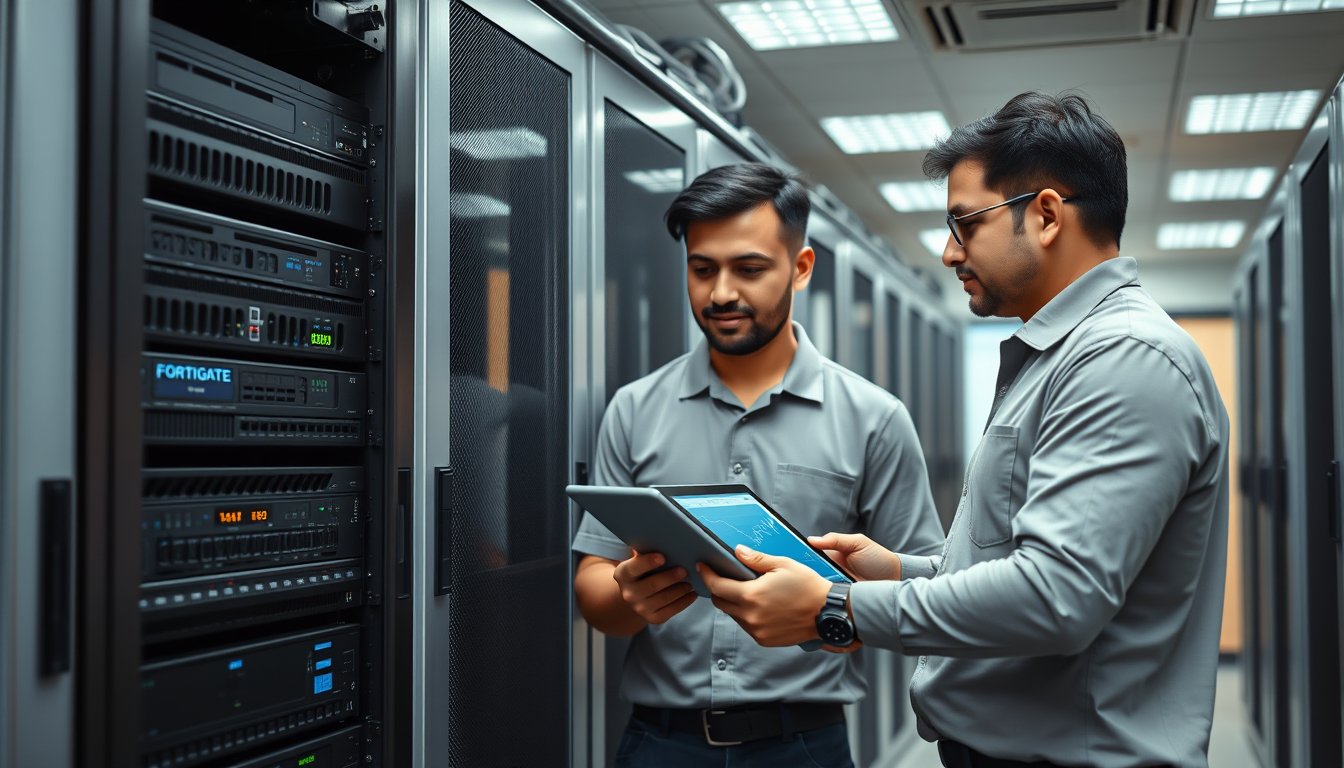
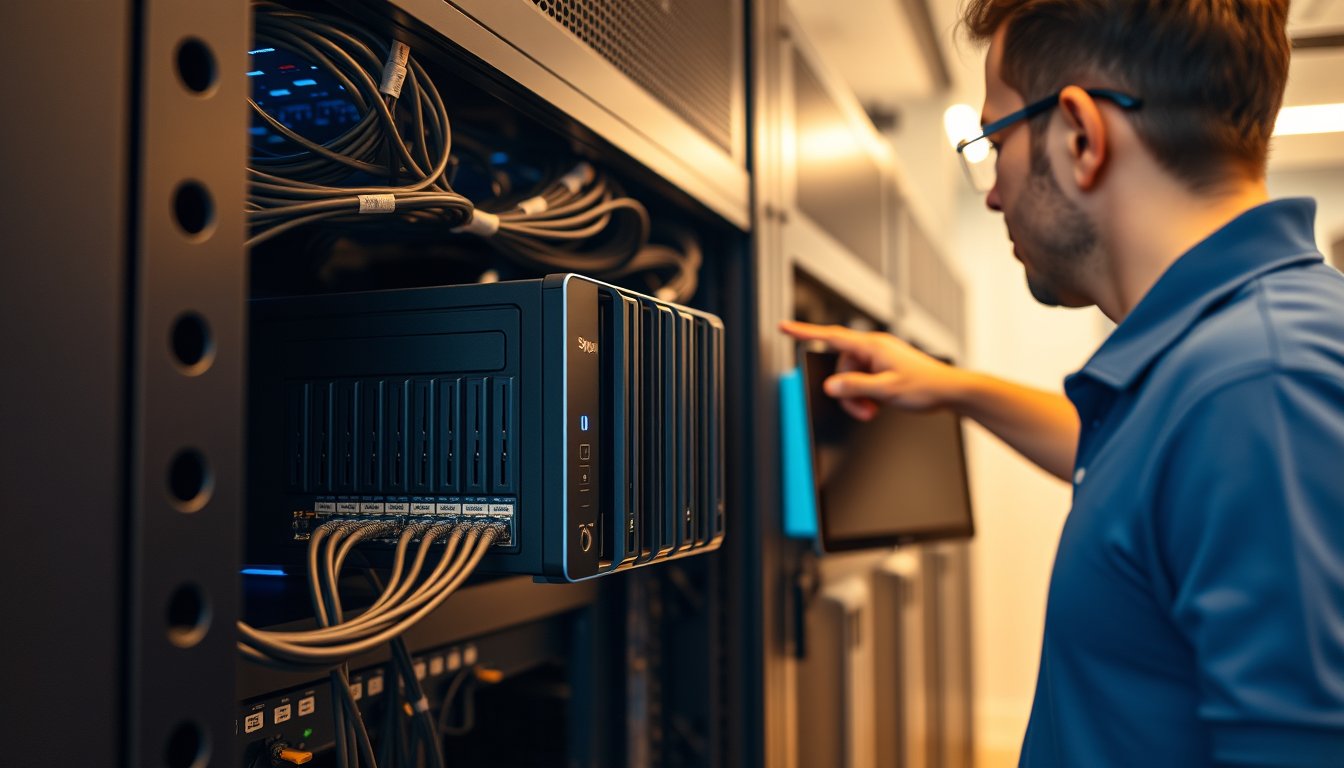
Here’s how it works in practice: You have one powerful server (or a cluster) in your office. Every employee gets a small box—about the size of a router—that connects to the server over your local network. When they log in, they see their Windows or Linux desktop, with all their applications, files, and settings. But the actual computing happens on the server. The thin client is just the window.
Why does this matter for Bangalore? Because your electricity bill drops by 60-80% per seat. Because your IT team stops running around fixing individual PCs. Because you can deploy 100 seats in a day instead of a week. And because when your company grows from 50 to 200 people, you don’t need to buy 200 new PCs—you just add a few more server blades.
The key difference from a traditional PC is that the thin client is disposable. If it breaks, you swap it in 5 minutes. No data loss. No reinstallation. The data never leaves the server room. This is why thin client solutions Bangalore are becoming the default choice for cost-conscious, security-focused companies in the city.
—
H2: How Do You Know You Need Better thin client solutions Bangalore?
Here’s a checklist I use with every new client. If you tick three or more of these, you need to act.
| Warning Sign | What It Actually Means | Urgency Level |
|————–|————————|—————|
| Your IT team spends 40% of their time on desktop support | You’re paying skilled people to fix broken keyboards and reinstall Windows. That’s a waste. | High |
| Your electricity bill has doubled in 2 years | Traditional PCs draw 150-300W each. Thin clients draw 10-20W. For 100 seats, that’s ₹1.5 lakh saved annually. | Critical |
| You have 3+ different PC models in your office | Different hardware means different drivers, different issues, different spare parts. It’s a maintenance nightmare. | Medium |
| Employees complain about slow logins or application crashes | Your PCs are aging. A thin client solution centralizes performance—upgrade the server, and everyone gets faster. | High |
| You’re planning to add 50+ seats in the next 6 months | Buying 50 new PCs is ₹15-20 lakh. A thin client setup for the same users is ₹5-7 lakh. | Critical |
| Your data security policy is “hope nobody steals a laptop” | With thin clients, data never leaves the server. Even if someone walks out with the device, they have nothing. | High |
| Your office has frequent power cuts or voltage fluctuations | Thin clients are low-power and can run on UPS for hours. PCs drain batteries fast. | Medium |
If you’re nodding at three or more, stop reading theory. Let’s build your action plan.
—
H2: What Is the 90-Day Action Plan for thin client solutions Bangalore?
This is the exact sequence I’ve used for 15+ implementations in Bangalore. Follow it step by step.
#Week 1-2: Audit and Plan
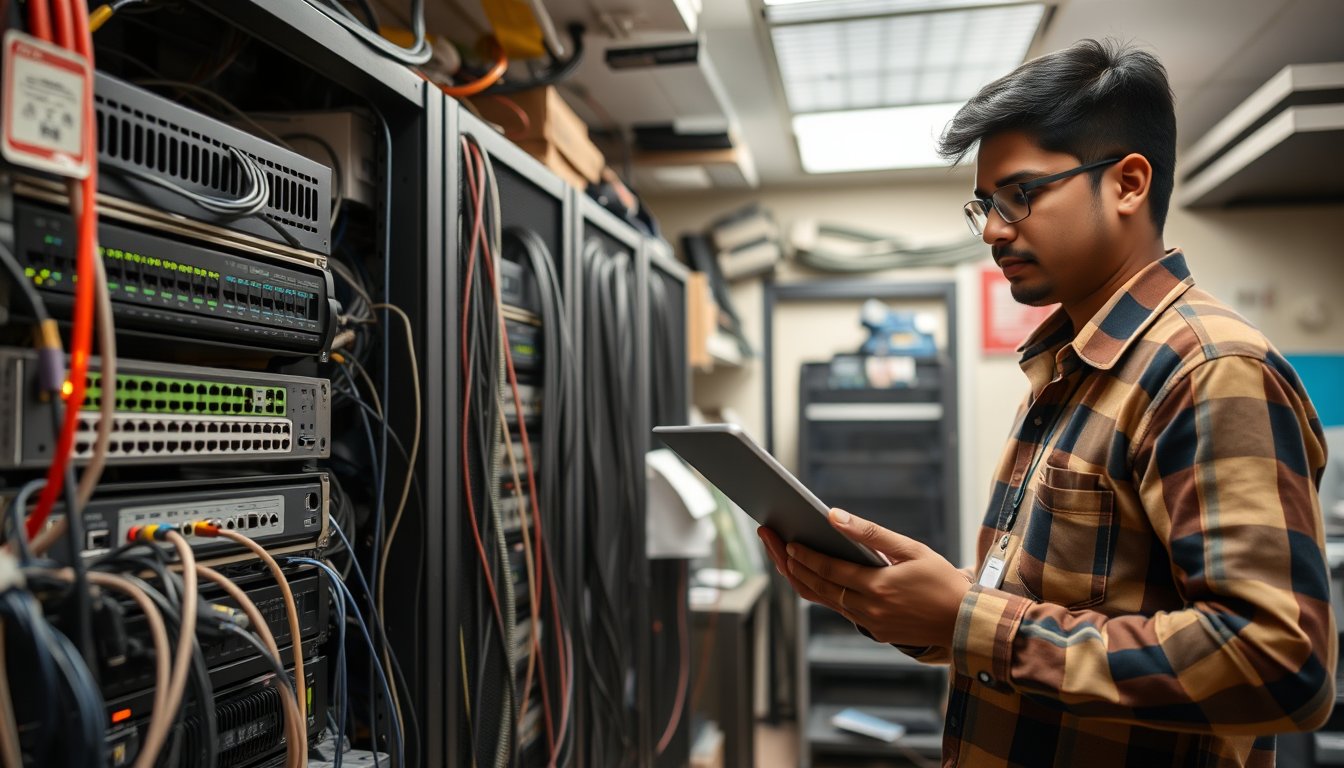
Action 1: Count your current hardware. Walk through every desk. List: PC model, age, RAM, hard drive type (HDD vs SSD), and whether it’s used for heavy tasks (design, CAD) or light tasks (email, ERP, browsing). In my experience, 70% of Bangalore office workers only need light tasks.
Action 2: Map your applications. List every software your team uses. Check if it runs on Windows Server or Linux. Most ERP, accounting, and CRM tools work fine. But if you have AutoCAD, video editing, or 3D modeling, you need a different approach (GPU-based virtual desktops). For those, you’ll need a specialized thin client solutions Bangalore provider who can configure GPU passthrough.
Action 3: Choose your server location. Two options:
– On-premise server room: You own the hardware. Best for companies with existing IT staff and sensitive data (e.g., finance, healthcare).
– Cloud (AWS/Azure/private cloud in Bangalore): You rent the server. Best for startups that don’t want capital expenditure.
Action 4: Get three quotes. Contact 3-4 vendors in Bangalore. Don’t just ask for a price. Ask them:
– What thin client hardware do you recommend? (Dell Wyse, HP t640, or local brands like Zoiper?)
– What virtualization platform? (VMware Horizon, Citrix, or Microsoft RDS?)
– What’s your support SLA? (4-hour response? 24-hour replacement?)
Pro tip: Avoid vendors who only sell one brand. You want a partner who can recommend based on your needs, not their inventory.
#Week 3-4: Pilot and Test
Action 5: Set up a 10-user pilot. Pick the most patient team (usually HR or accounts). Install the server, configure the thin clients, and run for 2 weeks. Don’t go live with everyone yet.
Action 6: Test under load. During lunch hour, have all 10 users log in simultaneously. Open their heaviest application. If the server slows down, you need more RAM or CPU. Adjust before scaling.
Action 7: Train your IT team. They need to know how to:
– Add a new user (5 minutes).
– Replace a faulty thin client (10 minutes).
– Monitor server health (daily check of CPU, RAM, disk I/O).
Real example: At a 200-person logistics company in Peenya, we piloted with the finance team. They hated it for 3 days because the mouse felt laggy. Turned out the network switch was old. Replaced it, and they loved it. Always test the network.
#Month 2: Full Deployment
Action 8: Roll out in batches. Don’t do all 200 users in one weekend. Do 50 users per week. Start with the least critical departments (admin, sales support). Save the power users (design, engineering) for last.
Action 9: Set up a “swap box” station. Keep 5 spare thin clients in a drawer. When a device fails, hand the user a new one. No waiting for repair.
Action 10: Communicate with employees. Send a simple email: “We’re upgrading your computer. You’ll get a small box. Your desktop will look the same. If you have issues, call IT at extension 123.” Don’t over-explain. People resist change when they don’t understand it.
#Month 3: Optimize and Stabilize
Action 11: Monitor and tune. After 30 days, check server logs. Are there users who always max out CPU? Give them a dedicated virtual machine. Are there applications that crash? Update them on the server.
Action 12: Create a “thin client policy.” Document:
– No USB drives allowed (data stays on server).
– No local printing (print from server).
– No personal software installation (IT controls the server).
Action 13: Plan for growth. If you’re adding 20 more seats next quarter, order the thin clients now. Lead time is 2-3 weeks in Bangalore.
—
H2: What Tools and Frameworks Support thin client solutions Bangalore?
Here’s a practical comparison of the four main approaches I’ve used. Choose based on your budget and technical skill.
| Approach | Best For | Cost per Seat (₹) | Setup Complexity | Maintenance |
|———-|———-|——————-|——————|————-|
| Microsoft RDS (Remote Desktop Services) | Companies already using Windows Server. Simple, reliable. | ₹3,000-5,000 (licensing) + ₹10,000-15,000 (thin client hardware) | Medium | Low. Patch the server quarterly. |
| VMware Horizon | Large enterprises (500+ users). Need advanced features like GPU sharing. | ₹8,000-12,000 (licensing) + same hardware cost | High. Needs a dedicated VMware admin. | Medium. Requires regular updates. |
| Citrix Virtual Apps and Desktops | Companies with complex application needs (e.g., legacy apps). | ₹10,000-15,000 (licensing) + hardware | High. Needs Citrix expertise. | High. Citrix is powerful but finicky. |
| Linux-based (KVM/Proxmox + SPICE) | Cost-conscious startups. No licensing fees. | ₹0 (software) + ₹8,000-12,000 (thin client hardware) | Medium. Needs Linux skills. | Low. Very stable once set up. |
My recommendation for most Bangalore companies: Start with Microsoft RDS. It’s cheap, works with any thin client, and your IT team probably already knows it. For the hardware, buy from a local Bangalore distributor like Inflow Technologies or Redington. They stock Dell Wyse and HP thin clients. Avoid buying from Amazon—you’ll get refurbished junk.
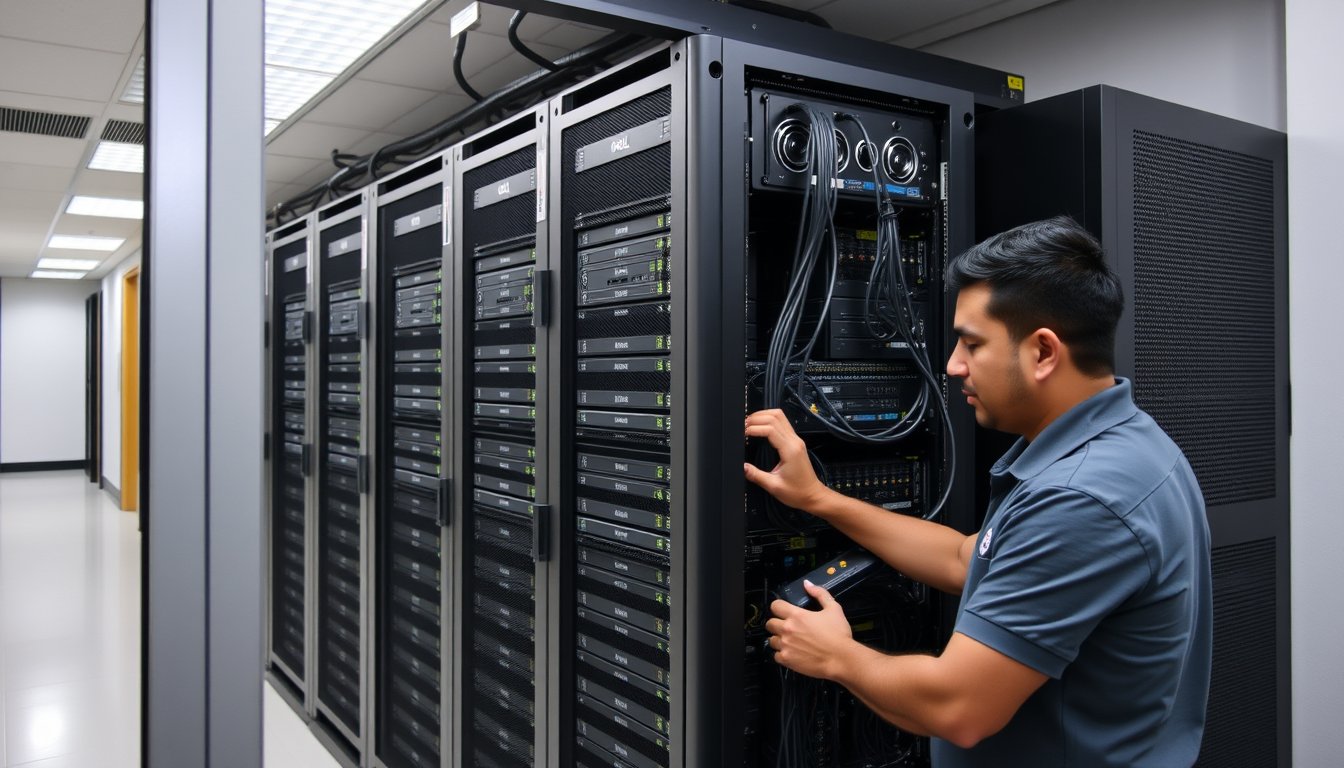
For the server: Use a refurbished Dell PowerEdge R740 from a Bangalore vendor like ITCubes or ServerStack. You’ll save 40% compared to new. For 100 users, you need:
– 2 x Intel Xeon Silver 4214 (or similar)
– 128 GB RAM
– 2 x 1 TB SSD in RAID 1
– 1 Gbps network card
Total server cost: ₹2-3 lakh (refurbished). New would be ₹6-8 lakh.
—
H2: What Are the Common Pitfalls with thin client solutions Bangalore?
I’ve seen these mistakes destroy implementations. Avoid them.
Pitfall 1: Underestimating the network. Thin clients are useless if your network is slow. In one Bangalore office, the vendor used cheap CAT5 cables that couldn’t handle the traffic. Users saw black screens for 10 seconds every time they opened a file. Solution: Use CAT6 cables, gigabit switches, and a dedicated VLAN for thin client traffic. Test your network before you deploy.
Pitfall 2: Forgetting about printers. In Indian offices, everyone wants to print. But thin clients don’t have local printer drivers. You need to install the printer on the server and share it. I’ve seen companies deploy 100 thin clients and then realize nobody can print. Plan for this. Use network printers with universal drivers.
Pitfall 3: Ignoring power backup. Bangalore has power cuts. If your server goes down, everyone stops working. You need a UPS that can run the server for at least 30 minutes. For 100 users, that’s a 5 kVA UPS with a battery bank. Cost: ₹50,000-70,000. Don’t skip it.
Pitfall 4: Not training the users. I once deployed thin clients at a BPO in Marathahalli. The agents were used to their own desktop shortcuts. Suddenly, they couldn’t save files locally. They panicked. We had to run 2-hour training sessions for 3 days. Do this before you deploy. Show them how to log in, how to access shared drives, and what to do if the screen freezes.
Pitfall 5: Buying the cheapest thin client. There are thin clients for ₹5,000 from unknown brands. They overheat, crash, and have terrible displays. Spend ₹10,000-12,000 on a brand like Dell Wyse or HP. It will last 5 years. The cheap ones last 6 months.
—
H2: How Do You Sustain thin client solutions Bangalore Long Term?
A thin client setup is not “set and forget.” Here’s how to keep it running for years.
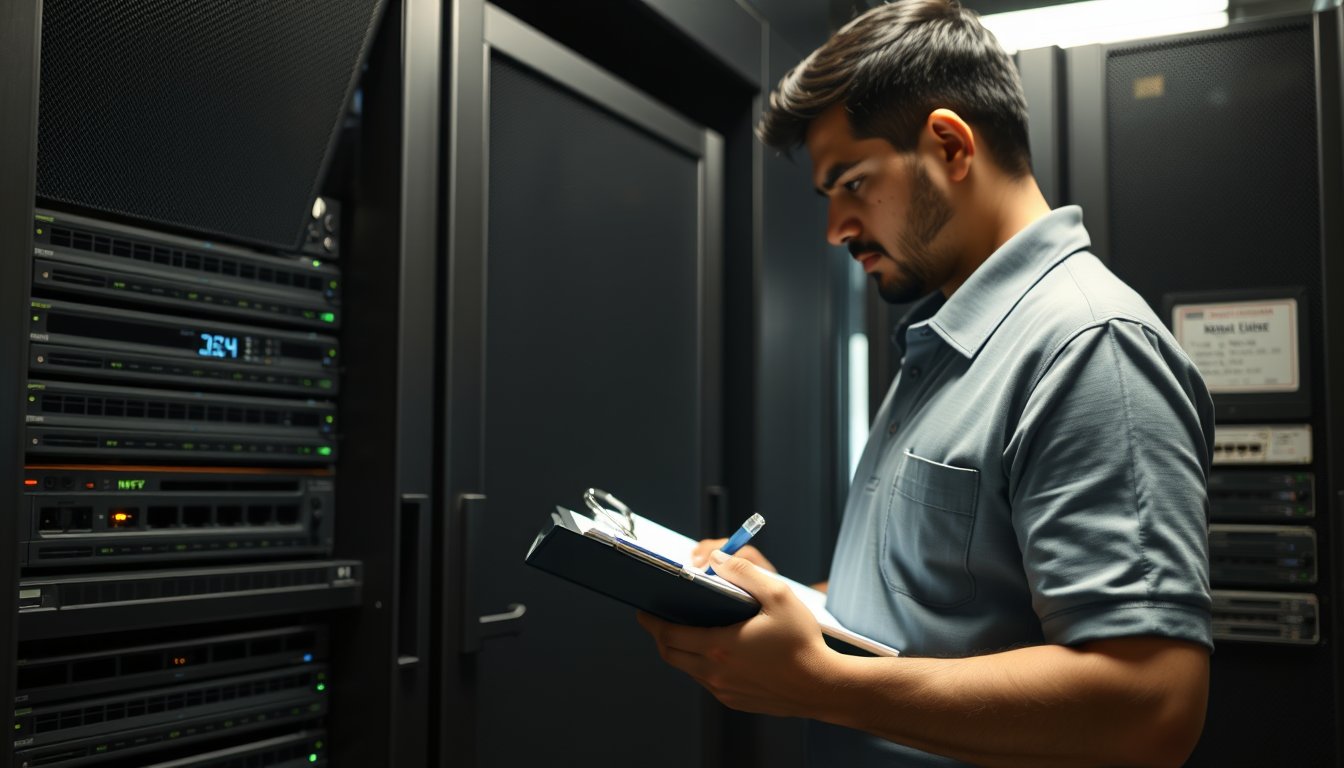
Monthly maintenance: Check server disk space. Logs and user profiles grow fast. Set up a script to delete logs older than 30 days. Also, update the server’s operating system and antivirus. Do this on a Sunday morning.
Quarterly review: Look at your user count. Are you at 80% server capacity? If yes, plan an upgrade. Add RAM or a second server. Don’t wait until users complain.
Annual hardware refresh: Thin clients themselves don’t need upgrades—they’re just terminals. But the server needs a refresh every 3-4 years. Budget for it. Also, replace the UPS batteries every 2 years.
Vendor relationship: Keep a relationship with your thin client solutions Bangalore vendor. When you need 20 more devices, you want a phone call, not a new RFP. I recommend having a maintenance contract for the server—₹5,000-10,000 per month for 4-hour support.
Document everything: Create a simple wiki page with:
– Server IP and admin credentials (secure, obviously).
– List of all thin client MAC addresses and assigned users.
– Step-by-step guide for adding a new user.
– Emergency contact numbers for your vendor.
—
CONCLUSION
You don’t need to be a tech genius to implement thin client solutions Bangalore. You need a plan, a good vendor, and the discipline to follow through. Start with the audit this week. Pilot next month. Deploy in batches. And remember: the goal is not to save money on hardware—it’s to free your IT team to work on things that actually grow your business.
If you’re in Bangalore and want a recommendation for a reliable vendor, email me at karthik@synergyscape.in. I’ll share my shortlist. But first, do the audit. That’s free, and it will tell you everything you need to know.
—
FAQ
Frequently Asked Questions About thin client solutions Bangalore
What is the total cost of thin client solutions Bangalore for 50 users?
For 50 users, expect ₹5-7 lakh total. Breakdown: Server (refurbished) ₹2-3 lakh, 50 thin clients at ₹10,000 each = ₹5 lakh, networking and UPS ₹50,000. Licensing (Microsoft RDS) ₹1.5 lakh. Total around ₹9-10 lakh. Compare to ₹25-30 lakh for 50 new PCs.
Can thin clients run heavy software like AutoCAD or video editing?
Yes, but you need a server with a GPU (NVIDIA Tesla or Quadro). This adds ₹1-2 lakh to the server cost. Most Bangalore vendors can configure this. For 3D work, use a dedicated GPU per user—expensive but possible.
How long do thin clients last?
5-7 years easily. They have no moving parts (no fan, no hard drive). The server needs replacement every 3-4 years. The thin client hardware is the most durable part of the setup.
What internet speed do I need for thin clients?
If the server is in your office, you don’t need internet—just a local network. If the server is in the cloud, you need at least 50 Mbps per 100 users. Bangalore has good fiber options from ACT and Airtel.
Can I use old monitors with thin clients?
Yes. Thin clients connect via HDMI, VGA, or DVI. Most old monitors work fine. This is one of the biggest savings—you don’t need to buy new monitors.
What happens if the server crashes?
All users lose access. That’s why you need a backup server or a cloud failover. For most companies, a 4-hour downtime is acceptable. Have a spare server ready (or a cloud instance) and test the recovery process quarterly.
“The smartest investment any Indian SME can make right now isn’t technology — it’s building a culture where good people want to stay.”
— Karthik, Founder & Principal Consultant, SynergyScape
Founder & Principal Consultant, SynergyScape | 15+ Years in HR Consulting & Organizational Development across Indian Enterprises
Transform Your Organization Today
Strategic HR Solutions & Corporate Consulting for Indian Enterprises.
Call: 90366 35585 | Email: synergyscape.blr@gmail.com
Related Articles You Might Find Useful
- Which thin client dealer Bangalore Should You Trust for 2025?
- How to Find a Reliable Used Laptop Dealer in Bangalore: A Complete Guide
- How to Choose a Refurbished Laptop Dealer Bangalore for Your Industry
- How to Choose and Work with a Business Laptop Dealer Bangalore: A 90-Day Playbook
- How to Choose the Best bulk laptop supplier Bangalore for Your Enterprise in 2025