How Do Router Configuration Services in Bangalore Vary by Industry? A 2024 Guide
- April 15, 2026
- Posted by:
- Category: Business Strategy & OD

# How Do Router Configuration Services in Bangalore Differ Across Industries?
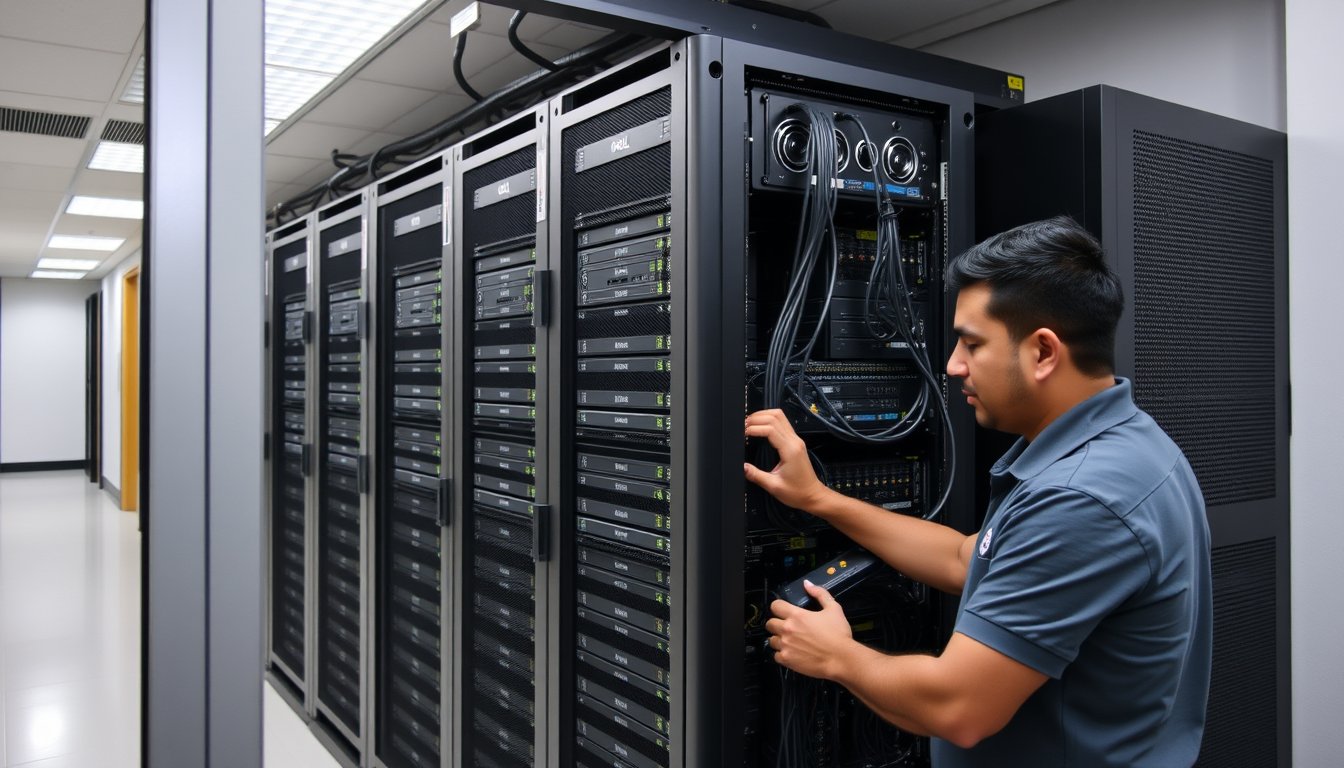
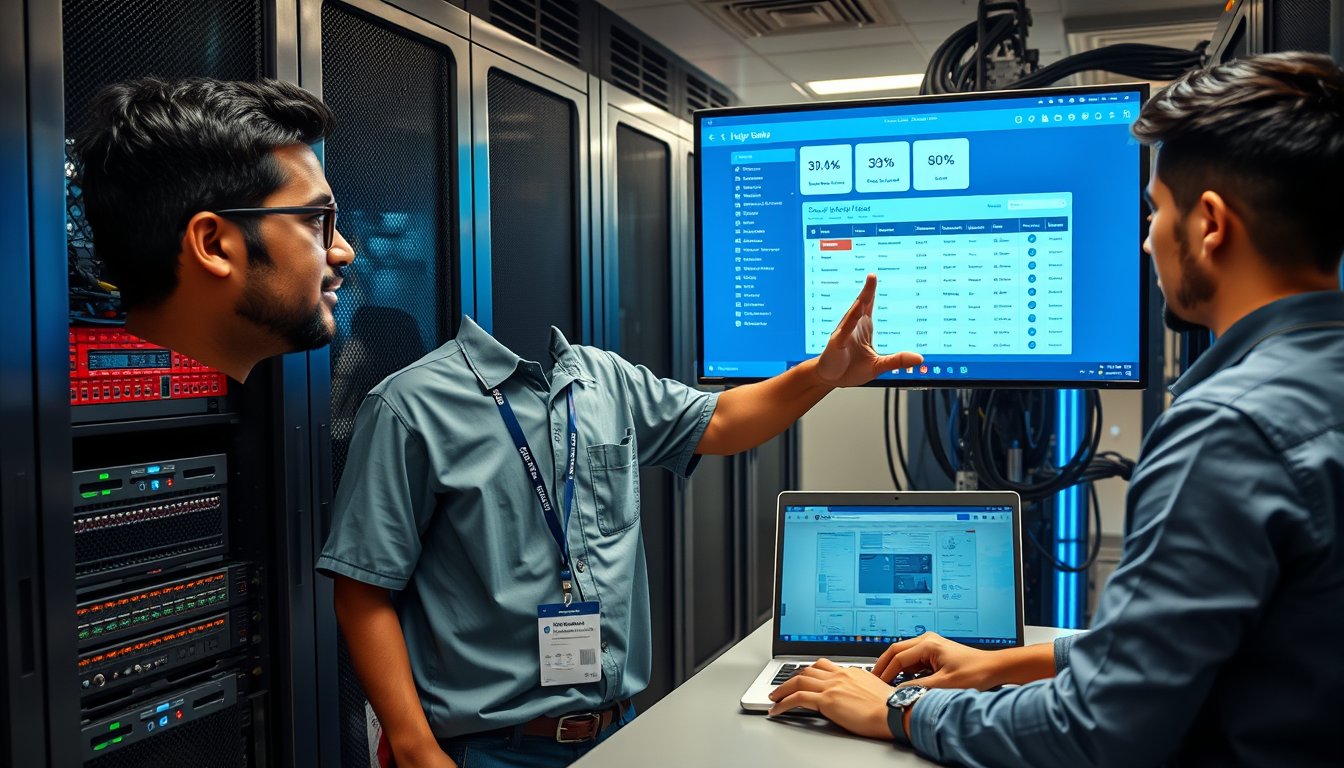
Router configuration services in Bangalore involve the professional setup, optimization, and management of network routers to ensure secure, reliable, and efficient data flow. This is not a one-size-fits-all task; it varies dramatically based on industry-specific demands, compliance needs, and operational environments. From a tech startup in Koramangala prioritizing seamless cloud access to a Peenya factory requiring rugged, real-time machine connectivity, the core service adapts to the unique digital heartbeat of each sector.
Imagine two businesses in Bangalore, both urgently calling for router configuration services. One is a bustling e-commerce startup in Indiranagar, where developers need millisecond-low latency for global cloud platforms and failover for 24/7 sales. The other is a multi-specialty hospital in Bannerghatta Road, where a single router must seamlessly segregate patient MRI traffic from administrative billing data, with absolute priority for life-critical systems. The technician walks in with the same toolkit, but the configuration playbook—the rules, priorities, and security walls built into that router—is worlds apart. This contrast is the essence of industry-specific network engineering.
What Is Router Configuration Services Bangalore and Why Does It Vary by Industry?
At its core, router configuration services in Bangalore encompass the technical process of defining how a router directs data packets across a network. This includes setting up IP addresses, routing protocols (like OSPF or BGP), security firewalls, Quality of Service (QoS) rules, Virtual LANs (VLANs), and wireless settings. It’s the foundational act of programming the traffic cops of your digital infrastructure.
Why does this vary so drastically by industry? Because the network is the central nervous system of a modern business, and its design must reflect the organization’s unique operational physiology. The priorities, risks, and data patterns of a sector dictate the configuration. For a financial institution, the paramount concern is security and transaction integrity—every rule is built to prevent a breach. For a manufacturer, it’s about deterministic, uninterrupted data flow to automated assembly lines. The physical environment (a clean office vs. a dusty factory floor), compliance mandates (HIPAA, PCI-DSS), and business continuity needs shape every decision a network engineer makes when provisioning router configuration services in Bangalore. Treating all networks the same is a recipe for inefficiency, vulnerability, or operational failure.
How Does Router Configuration Services Bangalore Work in IT and Technology Companies?
For Bangalore’s IT parks and tech startups, the network is the product. Router configuration services here are engineered for agility, high bandwidth, and seamless connectivity to distributed clouds and global teams.
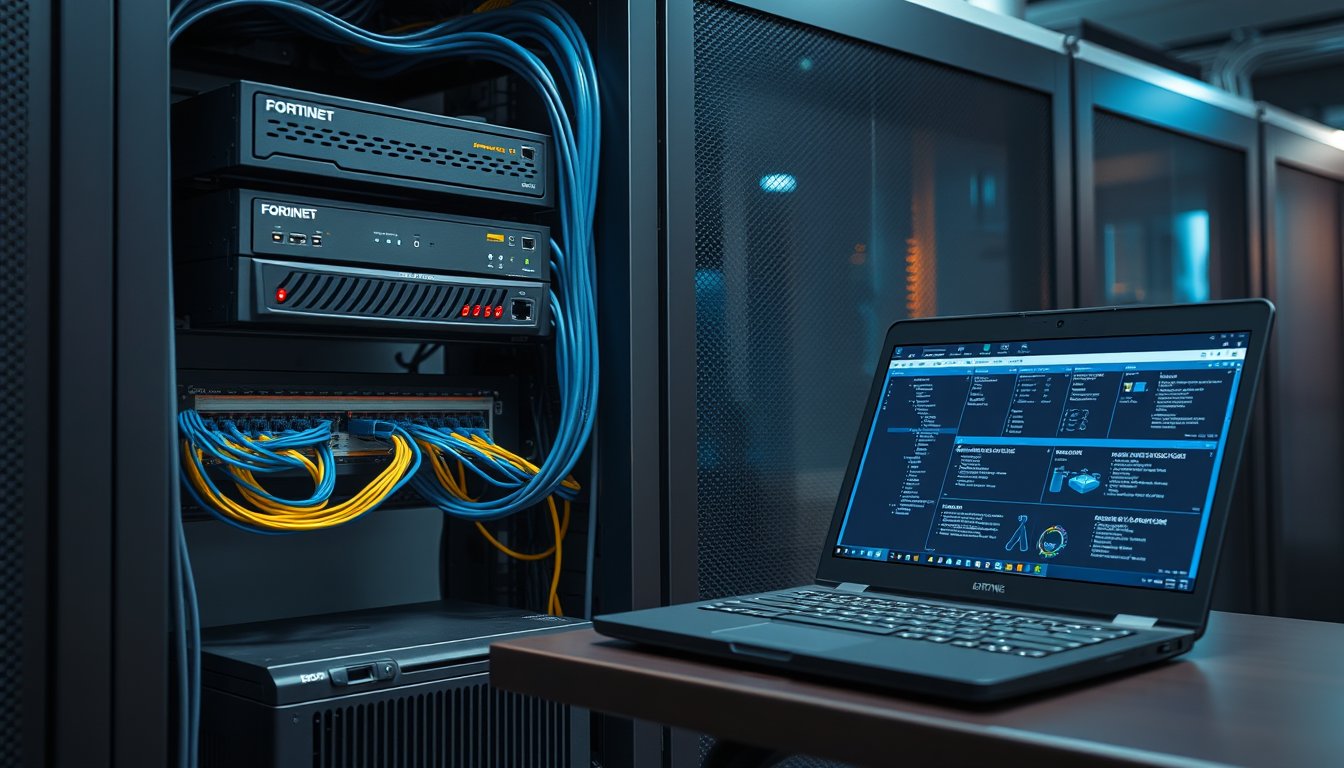
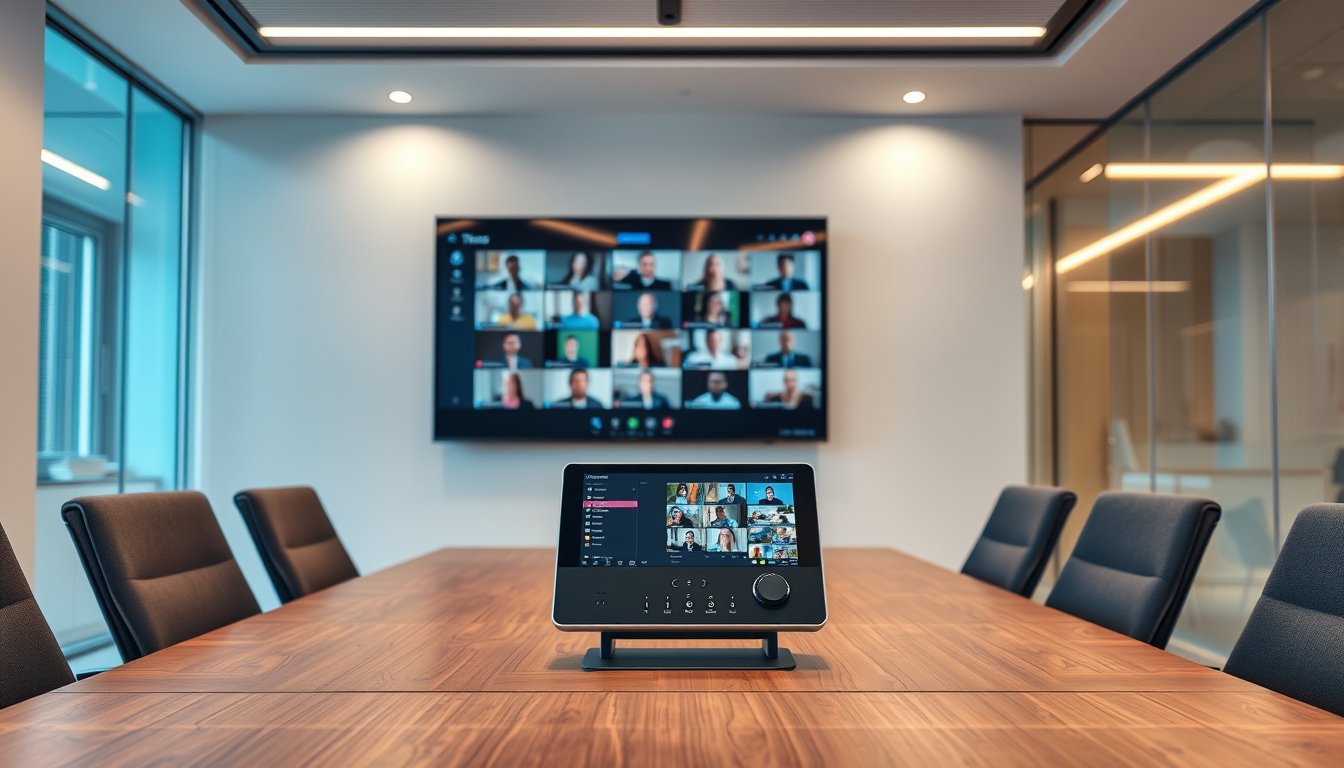
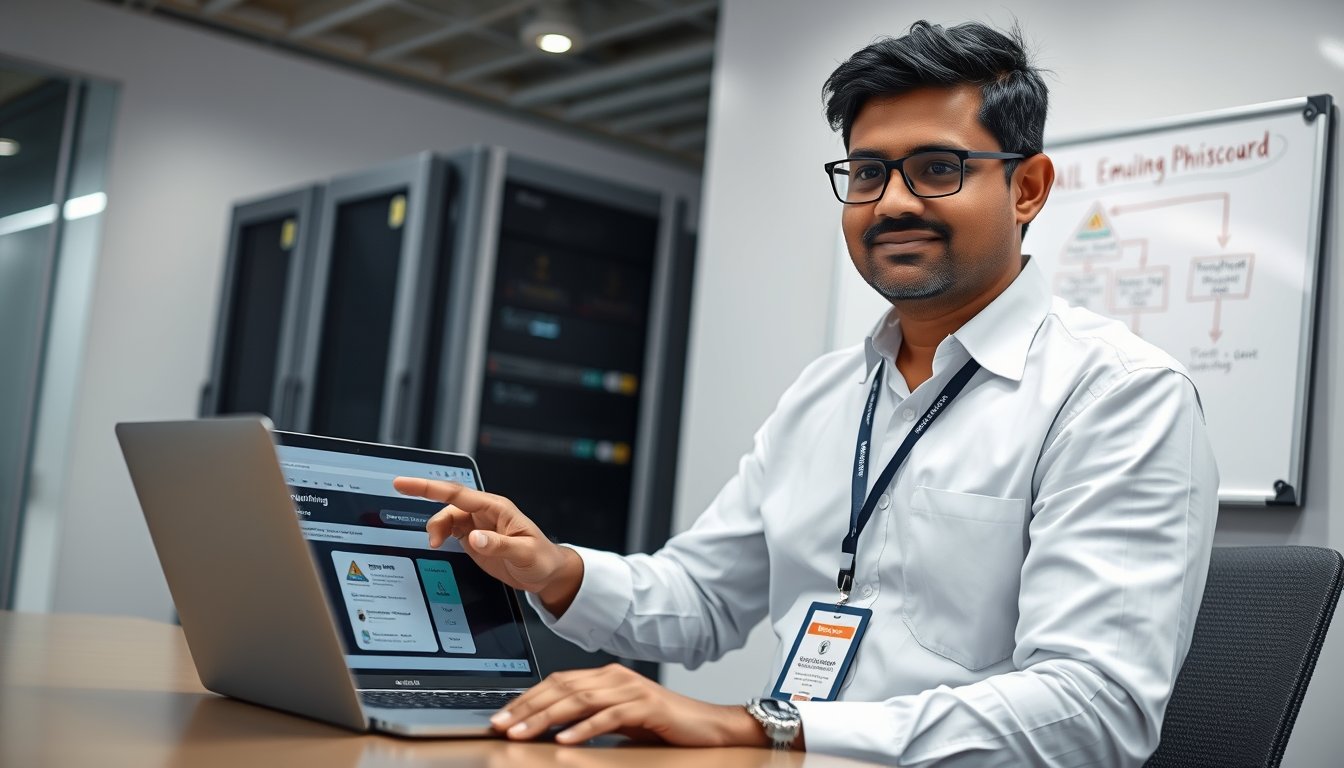
The primary focus is on performance and segmentation. Configurations aggressively implement VLANs to isolate development, testing, production, and guest networks—preventing a dev environment issue from crashing the core network. Dynamic routing protocols like BGP are common for companies with multiple internet service providers (ISPs) for load balancing and failover, ensuring 100% uptime for SaaS products. QoS rules are meticulously set to prioritize video conferencing and real-time collaboration tools (like Slack, Teams) over less critical traffic, as hybrid work is the norm. Security is layered, with stateful firewalls, intrusion prevention systems (IPS), and strict access control lists (ACLs) configured to protect intellectual property and code repositories.
*Actionable Insight:* Tech companies should opt for router configuration services in Bangalore that emphasize SD-WAN readiness. This allows you to seamlessly integrate direct cloud access (like AWS Direct Connect) into your router policies, dramatically reducing latency for cloud-based applications and improving the developer experience.
How Does Router Configuration Services Bangalore Apply in Manufacturing and Operations?
In Bangalore’s manufacturing hubs like Peenya and Bommasandra, the network connects two distinct worlds: the corporate office and the factory floor. Each demands a diametrically opposed configuration strategy from a single router configuration services provider.
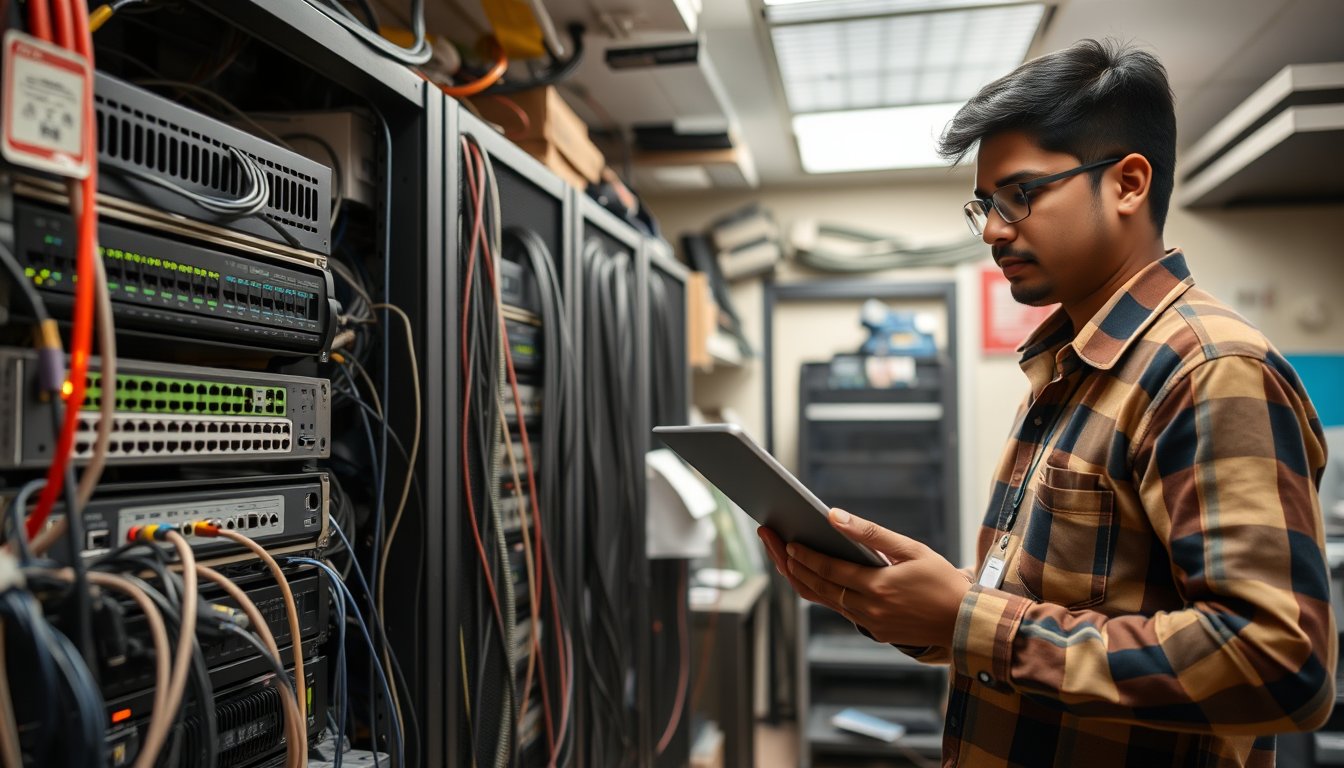
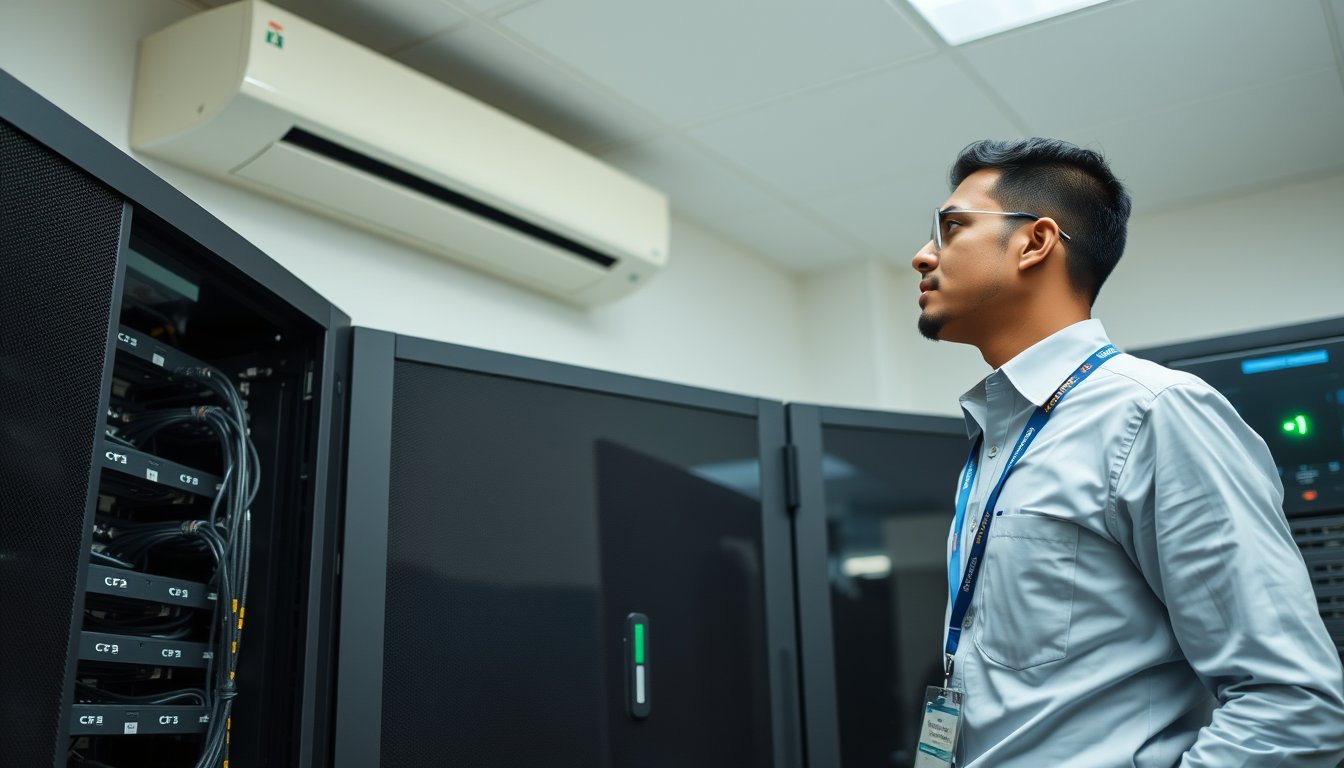
In the corporate office, needs mirror standard enterprise setups—reliable internet, VoIP for communications, and connectivity to ERP systems like SAP. The factory floor, however, is a different beast. Here, routers connect Operational Technology (OT): PLCs, sensors, SCADA systems, and automated guided vehicles (AGVs). Configuration prioritizes determinism and ruggedness. Engineers implement strict QoS to guarantee real-time data delivery for machine control, where a delay of milliseconds can halt production. VLANs are used to create an airtight “industrial zone,” segmenting OT from the IT network—a critical security practice to prevent malware from spreading from office computers to production machines. Redundancy protocols like HSRP or VRRP are configured so that if one router fails, another takes over instantly, preventing costly production downtime.
*Actionable Insight:* Manufacturers must ensure their router configuration services partner understands IEC 62443 (industrial security standards). The configuration must enforce a “defense-in-depth” model at the router level, with industrial protocols locked down and all traffic between OT and IT networks heavily inspected and controlled.
What About Router Configuration Services Bangalore in Healthcare, BFSI, and Retail?
These customer-facing, compliance-heavy sectors use router configuration services in Bangalore to build networks that are secure, compliant, and customer-centric.
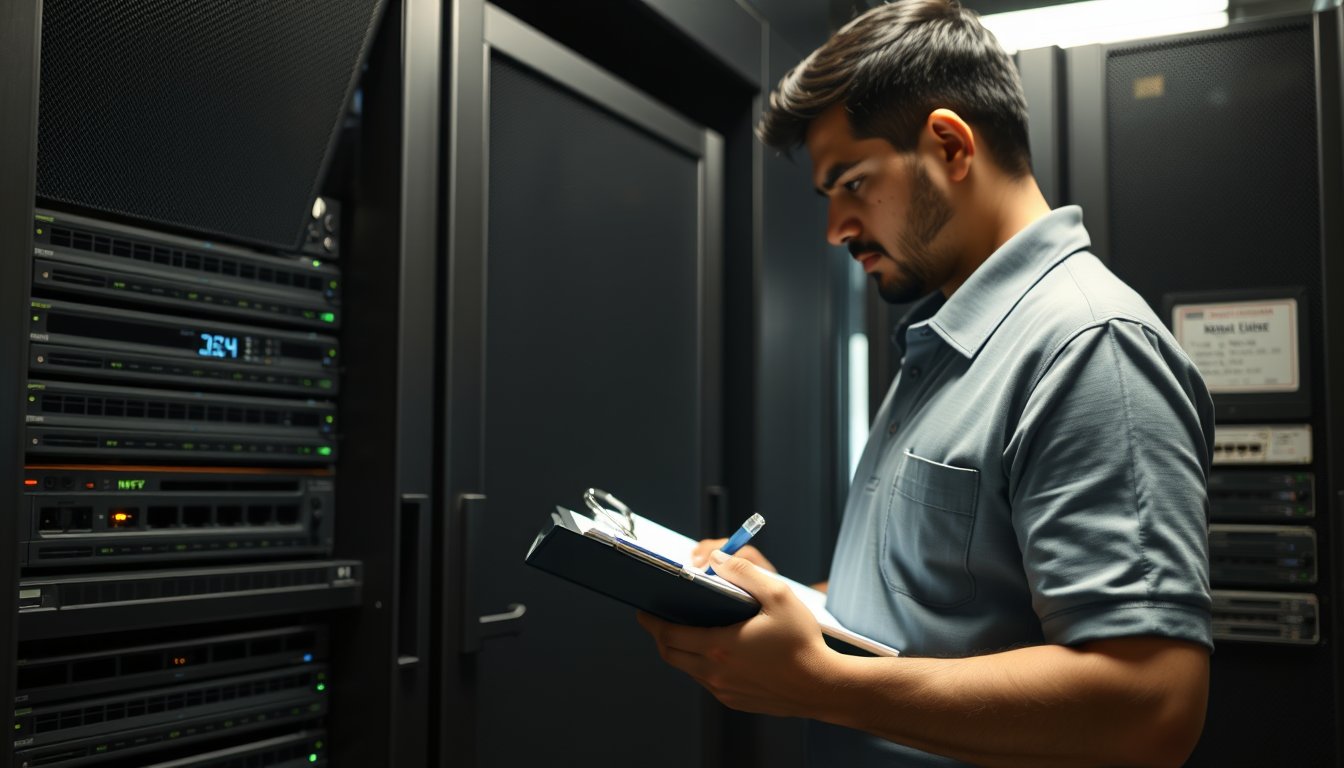
Healthcare (Hospitals, Clinics): Configuration is a life-and-death matter. The primary tool is sophisticated QoS and network segmentation. Router rules must give maximum, guaranteed priority to life-critical systems (like digital ICU monitors, PACS for medical images) over general web browsing. HIPAA compliance dictates that routers must be configured to encrypt data in transit and maintain strict audit logs. Separate VLANs are mandatory for medical devices, patient Wi-Fi, and hospital administration to protect sensitive PHI (Protected Health Information).
BFSI (Banks, Financial Institutions): Here, security is non-negotiable. Router configurations are fortresses. They involve setting up VPN tunnels with strongest encryption (IPsec) for secure branch connectivity, deep packet inspection firewalls to detect and block fraud attempts, and detailed logging for forensic analysis. PCI-DSS compliance requires that cardholder data environments are isolated via VLANs and that all router access is tightly controlled with multi-factor authentication.
Retail (Stores, Chains): The goal is to enhance customer experience and secure transactions. Router configuration for a retail store in Bangalore balances a public, captive-portal Wi-Fi for customers with a rock-solid, dedicated network for point-of-sale (POS) systems and inventory management. QoS ensures POS transactions are never delayed by a customer streaming video. For chains, routers are configured for secure site-to-site VPNs to headquarters, ensuring real-time inventory sync and centralized surveillance footage access, all while keeping payment systems in a PCI-compliant segmented zone.
*Actionable Insight:* For these sectors, choose a router configuration services provider that offers compliance documentation as part of the service. They should be able to generate configuration reports that demonstrate adherence to HIPAA, PCI-DSS, or RBI guidelines, simplifying your audit process.
What Is the Universal Framework for Router Configuration Services Bangalore?
Despite industry differences, a universal framework underpins all professional router configuration services in Bangalore. It follows a cycle: Assessment > Design & Planning > Implementation > Security Hardening > Documentation > Ongoing Monitoring & Support.
The core principles are constant: achieving reliability through redundancy, ensuring security through segmentation and firewalls, maintaining performance through QoS, and enabling scalability through thoughtful IP schema design. The following table illustrates how these principles are applied differently across sectors:
| Industry | Key Challenge | Best Practice Configuration | Common Mistake to Avoid |
| :— | :— | :— | :— |
| IT / Tech | Managing high, unpredictable cloud traffic & ensuring dev/prod isolation. | Implement SD-WAN principles & aggressive VLAN segmentation. QoS for VoIP/VC. | Using default QoS settings, letting dev and corporate traffic compete. |
| Manufacturing | Preventing OT network outages & isolating noisy industrial protocols. | Create a dedicated OT VLAN with highest QoS. Use industrial-grade hardware. | Connecting factory machines to the same network as office PCs. |
| Healthcare | Prioritizing life-critical data & meeting HIPAA data privacy rules. | Configure strict, hierarchical QoS for medical devices. Enable robust logging & encryption. | Letting guest Wi-Fi share bandwidth with medical equipment networks. |
| BFSI | Preventing financial data breaches & ensuring 24/7 transaction integrity. | Set up encrypted VPNs for all branches. Implement stringent ACLs & IPS. | Using weak encryption protocols or failing to segment ATM networks. |
| Retail | Securing POS while providing customer Wi-Fi & managing multi-site links. | Segment POS onto a dedicated VLAN. Use separate SSIDs with client isolation for guests. | Letting the public Wi-Fi be a bridge to the POS payment network. |
How Should SMEs Approach Router Configuration Services Bangalore Differently?
Small and medium enterprises (SMEs) in Bangalore have unique constraints: limited budgets, often no dedicated IT staff, but a growing reliance on digital tools. Their approach to router configuration services must be pragmatic and scalable.
SMEs should focus on “smart basics” rather than enterprise-grade complexity. The priority is a configuration that delivers reliable internet, secure guest Wi-Fi, and protection for core business data (like client databases or financial records). This often means starting with a well-configured business-grade router that supports VLANs to separate guest traffic from employee networks, a built-in firewall with threat detection enabled, and basic QoS to prioritize VoIP calls or UPI payment terminals. The key is to work with a service provider who offers clear, fixed-fee packages for setup and annual maintenance, rather than complex hourly contracts.
*Actionable Insight:* SMEs should seek router configuration services in Bangalore that offer managed router solutions. For a monthly fee, the provider supplies, configures, monitors, and updates the router remotely. This transforms a capital expense and technical headache into a predictable operational cost with professional, always-on support.
Conclusion
The journey through Bangalore’s industrial landscape reveals a unifying truth: router configuration services are not a commodity IT task but a strategic business function. Whether you’re safeguarding financial transactions in MG Road, ensuring uninterrupted production in Peenya, or prioritizing patient care in Hebbal, your router’s configuration is the silent guardian of your operational integrity. The future points toward greater integration with AI-driven network management (AIOps) and SASE frameworks, where configuration becomes more adaptive and security is inherent. The first step for any business is to engage a provider who asks not just about your bandwidth, but deeply about your business—your workflows, your risks, and your growth trajectory. That’s the partnership that builds a network which doesn’t just connect, but empowers.
—
#FAQ
Frequently Asked Questions About router configuration services Bangalore
What exactly is included in a standard router configuration service in Bangalore?
A standard service typically includes: initial network assessment, physical router installation, configuration of IP addresses, SSIDs (Wi-Fi names/passwords), firewall rules, basic VLAN setup for network segmentation, DHCP settings, and WAN/ISP setup. It should also cover testing and basic documentation of the network layout.
Why can’t I just use the default settings on my new business router?
Default settings are a major security risk—they often use well-known default passwords and open ports vulnerable to attacks. They also lack optimization for your specific office layout, number of devices, and business applications (like VoIP or cloud software), leading to poor performance, dropped connections, and security breaches.
How often should router configurations be reviewed or updated?
Professionally, configurations should be reviewed at least annually, or during any major business change (adding new office space, adopting a critical cloud app, significant staff increase). Security updates and firmware patches should be applied quarterly, often as part of a managed service agreement.
Is on-site visit always necessary for router configuration in Bangalore?
Not always. Initial setup for complex networks often requires an on-site visit for cabling and signal testing. However, many ongoing adjustments, updates, and troubleshooting for businesses with a stable base configuration can be handled securely through remote management tools by a qualified provider.
What’s the difference between configuring a router for a small office vs. a large enterprise?
Scale and complexity. A small office config focuses on simplicity, security, and reliability for maybe 2-3 networks (staff, guest). A large enterprise config deals with multiple locations (VPNs), hundreds of VLANs, advanced routing protocols (BGP), robust QoS policies, and deep integration with security appliances and data centers.
Can poor router configuration affect my business’s internet speed?
Absolutely. Misconfigured QoS can let non-critical updates hog bandwidth. Incorrect MTU settings can cause packet fragmentation. Poor channel selection on Wi-Fi can lead to interference. A professional configuration optimizes these parameters to ensure you get the full, reliable speed you pay for from your ISP.
“The best HR teams I’ve worked with don’t call themselves HR. They call themselves business enablers — and they operate like it.”
— Karthik, Founder & Principal Consultant, SynergyScape
Founder & Principal Consultant, SynergyScape | 15+ Years in HR Consulting & Organizational Development across Indian Enterprises
Transform Your Organization Today
Strategic HR Solutions & Corporate Consulting for Indian Enterprises.
Call: 90366 35585 | Email: synergyscape.blr@gmail.com
Related Articles You Might Find Useful
- How to Plan and Execute a Flawless Network Switch Installation in Bangalore?
- Is Your Business Crippled by Poor Wi-Fi? The 2025 Guide to Wireless Network Setup Bangalore
- What Are Enterprise WiFi Solutions Bangalore and Why Does Your Business Need One?
- How Do WiFi Installation Services in Bangalore Differ Across Industries?
- What Is a Network Cabling Company in Bangalore and How Do You Choose One?